The impact of epilepsy
Datshiane Navanayagam talks to women from Sweden and Zambia who are passionate about reducing stigma and fear around epilepsy.
Epilepsy is a brain condition that causes repeated episodes of sudden, brief changes in the brain's electrical activity causing seizures or convulsions. It's thought 50-million people have the condition, which can't be cured. The right treatment can alleviate symptoms but diagnosis and treatment is limited in many countries.
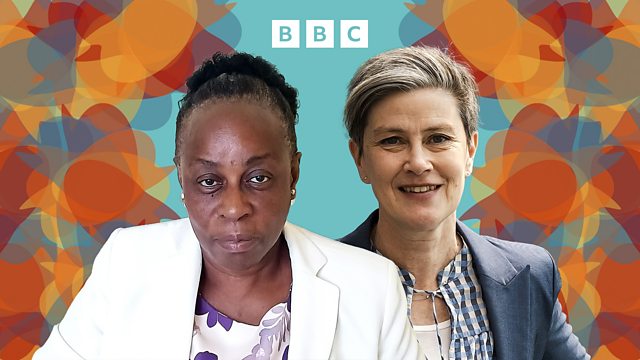
Consultant neurologist Sofia Eriksson is from Sweden and works in the UK at University College London Hospital where she used to be the hospital’s clinical lead for epilepsy. She's president elect of the British Association of Neurologists. Sofia says it’s important more people talk openly about the condition to help stop people who have it feeling so isolated.
Betty Barbara Nsachilwa had her first seizure when she was 13 years old. It took 18 months to find the right medication that has kept her seizures under control since. She says she's been lucky to have the support of her family and colleagues but says many others in Zambia face discrimination and stigma. Betty Barbara co-founded the Epilepsy Association of Zambia in 2001 to increase awareness and education about the condition and support others living with epilepsy.
(Image: (L) Betty Barbara Nsachilwa, courtesy Betty Barbara Nsachilwa. (R) Sofia Eriksson, credit Hannah Lovell.)
On radio
More episodes
Next
Featured
-
.
Broadcasts
- Yesterday 03:32GMTBBC World Service
- Yesterday 12:32GMTBBC World Service except Australasia, East and Southern Africa, News Internet & West and Central Africa
- Yesterday 17:32GMTBBC World Service East and Southern Africa & West and Central Africa only
- Yesterday 21:32GMTBBC World Service except East and Southern Africa, Europe and the Middle East & West and Central Africa
- Yesterday 22:32GMTBBC World Service Europe and the Middle East
- Saturday 16:32GMTBBC World Service News Internet
The best of The Conversation

Enlightening, inspiring, revealing: Some of our favourite Conversations so far
100 Women

Global experience on image, work, relationships, equality, migration and working lives
Podcast
-
![]()
The Conversation
Two women from different parts of the world share the stories of their lives