Tracking
With ever smarter technology monitoring our behaviour how far should we compromise privacy in the interest of security and efficieny?
Do you ever worry about who might be looking over your shoulder? It is a hot topic at the moment - the shadowy world of tracking and surveillance. As smarter and smarter technology monitors our behaviour online, and even our physical movements in the workplace, how far should we be prepared to compromise privacy in the interests of security and efficiency? And how can the same technology be employed to better track endangered species? Bridget Kendall discusses these issues with Finnish cyber-security expert Mikko Hypponen, Kenyan vulture scientist Munir Virani, and Australian political geographer Anja Kanngieser.
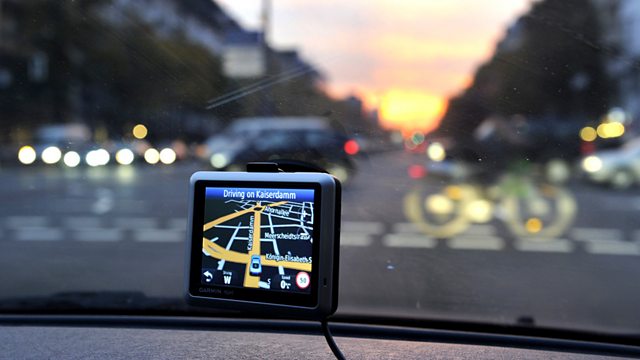
Photo: A satellite navigation system. Credit: Andersen/AFP/Getty Images
Last on

More episodes
Previous
Next
Clip
-
![]()
Cybersecurity expert Mikko Hypponen: Two kinds of surveillance
Duration: 00:29
Chapters
-
Mikko Hypponen
Duration: 14:06
-
Anja Kanngieser
Duration: 08:53
-
60 Second Idea: Sensory Forcefields
Duration: 05:05
-
Munir Virani
Duration: 12:35
Mikko Hypponen

Munir Virani
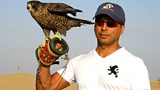
Munir Virani is Africa program director for The Peregrine Fund, a bird of prey conservation charity. He has been finding new ways to keep tabs on declining vulture populations in East Africa, in particular attaching GPS-GSM devices to individual birds to track their mortality rates and migratory patterns. He says that this tech is allowing us to understand for the first time where vultures are really going. Munir is also involved in the new African Raptor Databank, a project which will harness citizen sightings of birds of prey across the African continent, via a simple smartphone app.
Anja Kanngieser

Anja Kanngieser is a political geographer in the Sociology department at Goldsmith’s College in London. One of her current areas of research is how industry tracks the performance of its workforce, and the radical new developments in this field in recent years, including the increasing use of technologies such as Radio Frequency Identification, GPS and Voice Directed Order Picking. She says that more research is needed into how these new systems, designed to increase productivity and efficiency, are adversely affecting employees’ privacy and health.
60 second Idea to Change the World: Sensory Forcefields
In Next Week’s Programme:
Broadcasts
- Sat 21 Sep 2013 23:06GMTBBC World Service Online
- Sun 22 Sep 2013 10:06GMTBBC World Service Online
- Mon 23 Sep 2013 02:06GMTBBC World Service Online
Podcast
-
![]()
The Forum
The programme that explains the present by exploring the past