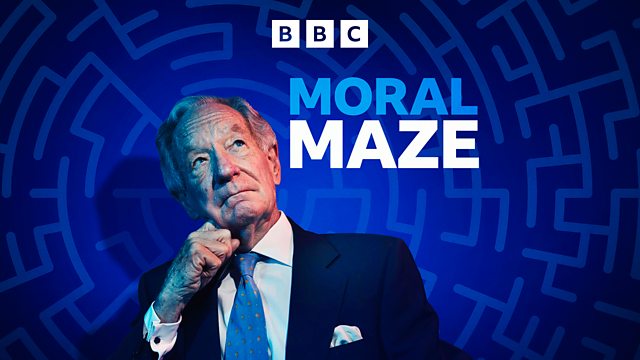
How should we respond to warnings of end times and catastrophe?
Michael Buerk and the panellists examine how we should respond to warnings of end times and catastrophe?
America’s Vice-President, J. D. Vance, has been talking about the end of the world, saying he “wouldn’t be shocked” if the Anti-Christ was walking amongst us.
Most people are living incomparably better lives than generations ago - and history is full of warnings of apocalypse - so how should we respond to warnings of catastrophe and end times?
Do such warnings encourage moral behaviour? Do they spur people to take action on important issues - or can they lead to despair and paralysis.
Do thoughts of an end give life more meaning?
Should we take threats to the way we live as a warning to look after our loved ones - or is it an opportunity to think more widely and work out how to strengthen our community ties.
Which end of the political spectrum is more likely to resort to the language of doom-laden prophecy, and to what end?
What does this increasingly apocalyptic view of the world tell us about the world we live in, the problems we face, and the society we’ve become?
Witnesses: Leigh Price, Elizabeth Oldfield, Dr Ian Paul and Dr Daniel Nilsson DeHanas
Presenter: Michael Buerk
Panellists: Anne McElvoy, Matthew Taylor, Mona Siddiqui, Tim Stanley
Producer: Catherine Murray
Asst Producer: Jay Unger
Editor Chloe Walker
Last on

More episodes
Next
Broadcasts
- Last Wednesday 20:00BBC Radio 4
- Saturday 21:00BBC Radio 4
The Evidence Toolkit

Check out the claims made in news stories with this interactive tool.
Podcast
-
![]()
Moral Maze
Live debate examining the moral issues behind one of the week's news stories. #moralmaze