The Essay Episodes Available now
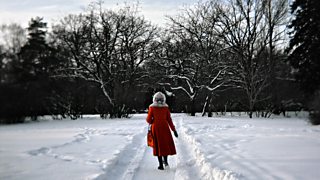
Scarlett Thomas—Winterwalks
3/5 Scarlett Thomas describes fruits and vegetables on a walk across a winter landscape.
Christopher Hope in Languedoc—Winterwalks
2/5 Writer Christopher Hope discusses the cold winds of Languedoc.
Deborah Levy on Hampstead Heath—Winterwalks
1/5 Writer Deborah Levy describes a walk on London's Hampstead Heath under layers of snow.
Patti Smith's Shirt—Listener, They Wore It
5/5 Susanna Frankel recalls a brilliant white shirt on the cover of an LP by Patti Smith.
Alec Leamas's coat (The Spy Who Came in from the Cold)—Listener, They Wore It
4/5 Antonia Quirke on the coat worn by Richard Burton in The Spy Who Came in from the Cold.
Gatsby's Suit—Listener, They Wore It
3/5 Writer Michael Bracewell discusses Jay Gatsby's suit in the novel The Great Gatsby.
Empress Elizabeth's Diamonds—Listener, They Wore It
2/5 Daisy Goodwin on diamonds in a portrait of Empress Elizabeth of Austria by Winterhalter.
Charles's Cap (Madame Bovary)—Listener, They Wore It
1/5 Julian Barnes on an unforgettable hat in Flaubert's novel Madame Bovary.
The Storm Clouds of the 21st Century—Changing Climates
5/5 Richard Mabey asks what the weather means to us nowadays.
Halcyon Days—Changing Climates
4/5 Richard Mabey on happy days made by the weather including the halcyon days of winter.