|
Thinking Ahead
14 July
2003
This is the soft fruit season with the strawberries,
raspberries and currants, black, white and red
all ready for picking. Unfortunately it is a
short season for fresh, flavoursome fruit from
your own garden.
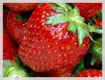 It’s not too early to start thinking and
planning for next year. Already the new young
strawberry plantlets, called runners, are appearing
at the sides of the parent plants. Treat these
with care. As the plants form use ‘U’
shaped wire loops to peg them into small pots
of compost plunged into the ground. Nip off
any extension runners that try to grow from
the first plantlet. Water as necessary. When
the plant is well rooted separate it from its
parent. Planted out to form a new strawberry
bed, these early plants will crop next season
with large fruit. A few of this year’s
fruiting plants can be selected now and encouraged
to do well. Remove any runners that form and
feed with a liquid, high nitrogen
It’s not too early to start thinking and
planning for next year. Already the new young
strawberry plantlets, called runners, are appearing
at the sides of the parent plants. Treat these
with care. As the plants form use ‘U’
shaped wire loops to peg them into small pots
of compost plunged into the ground. Nip off
any extension runners that try to grow from
the first plantlet. Water as necessary. When
the plant is well rooted separate it from its
parent. Planted out to form a new strawberry
bed, these early plants will crop next season
with large fruit. A few of this year’s
fruiting plants can be selected now and encouraged
to do well. Remove any runners that form and
feed with a liquid, high nitrogen 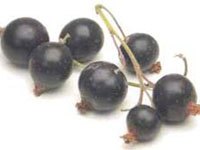 fertilizer
to bulk up the plant. In September they can
be lifted and potted up. Brought into a cold
greenhouse in January they will be fruiting
for you in late spring. fertilizer
to bulk up the plant. In September they can
be lifted and potted up. Brought into a cold
greenhouse in January they will be fruiting
for you in late spring.
The time
to prune blackcurrant bushes is immediately
after the fruit has been harvested. Remove old
branches as close to soil level as possible
to encourage strong, new shoots from the base
which will fruit next year. Try to keep the
centre of the plant open for ease of picking
and to allow sunlight to all the fruit. Feed
at the same time with a balanced granular fertilizer.
Mulching will conserve moisture and reduce the
risk of weeds.
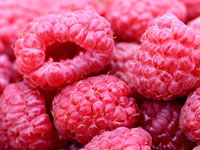 As
soon as the raspberries have finished fruiting
cut out the canes which carried the berries
as close to the ground as possible. Tie in the
new shoots to the wire supports. Surplus shoots
should be As
soon as the raspberries have finished fruiting
cut out the canes which carried the berries
as close to the ground as possible. Tie in the
new shoots to the wire supports. Surplus shoots
should be
removed at ground level. A deep mulch of old,
rotted, farmyard manure will work wonders for
next year’s crop. Planting autumn fruiting
varieties of raspberries will extend the picking
season.
Back
to John's index page |