|
Sowing
Outdoors
1st April 2009
Patience is undoubtedly a virtue and gardeners
need it in large doses. Outdoors we have little
control over the elements and while it is essential
to wait for the right sowing conditions it is
a bore as well as very frustrating. The one
piece of comfort on offer is that you 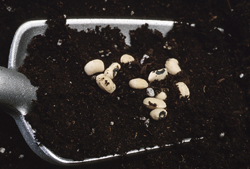 will
find that waiting those extra few days until
the weather and the soil conditions do improve
will not seriously affect the time of flowering
or harvest. The result will be better germination
and sturdy seedlings. On the other hand sowing
into cold, wet, lumpy and sticky soil will drastically
reduce the number of seeds that germinate.Those
that do grow will sulk making little growth
until the soil conditions improve. will
find that waiting those extra few days until
the weather and the soil conditions do improve
will not seriously affect the time of flowering
or harvest. The result will be better germination
and sturdy seedlings. On the other hand sowing
into cold, wet, lumpy and sticky soil will drastically
reduce the number of seeds that germinate.Those
that do grow will sulk making little growth
until the soil conditions improve.
Ideally the soil will be well cultivated with
any large stones and weed roots removed. The
surface should be firm but friable without large
lumps.Imagine the germinating seed sending out
its small, fine roots in one direction and its
vulnerable shoot stretching to reach the surface
and daylight. Any small obstacle can stop it
in its tracks.
Gardeners living in Northern Ireland and Scotland
may have to delay sowing for several weeks compared
with those living in warmer southern parts of
the country.
Avoid walking on uncultivated wet, heavy soil.
A compacted soil takes longer to dry out. When
ready for sowing the soil should be crumbly
with any lumps shattering easily when raked.
At the final raking apply a general purpose,
balanced granular fertilizer such as Growmore
at 30 grams per square metre and tickle it into
the top 2 cm of soil.
Where time allows, leave the prepared soil for
a week to allow seedling weeds to germinate
and then lightly hoe them off. Disturbing the
soil will bring more weed seed to the surface.
Sow immediately with the minimum of soil movement.By
the time the next batch of weed seeds germinate
the seedlings will be well advanced and better
able to tolerate the competition.
When sowing seeds in rows try pouring boiling
water along the open drill a few minutes before
sowing. This will not only kill weed seeds but
will warm up the soil.
Sow the seeds thinly to avoid having to space
the young plants by removing those close by.
Where a glass or a clear plastic cloche or frame
is available to cover and protect the soil,
it will dry out and warm up more quickly allowing
the sowing dates to be brought forward.
Spring Clean
It has been a long hard winter with lengthy
periods when it wasn’t possible to garden.
Snow, frost and rain combined to leave the soil
unmanageable.
Now we are into spring with long, bright evenings
and good working conditions ahead so it is time
to catch up on lost time.
The first jobs are those that will bring the
garden up to scratch and involve a tidy up and
spring clean.
Buds are turning into new soft
growth and great care needs to be taken not
to damage shoots when working through the beds
and around plants.
Herbaceous borders and shrub
beds can be raked over to remove debris and
weeds. Watch out for seedlings of plants that
worth keeping. Plants that spread by suckers
and stolons should be curtailed to prevent them
becoming dominant and weed-like.
The lawn is ready for a feed.
It has had to put up with months of wet, cold
ground and a feed of a proprietary lawn food
will act as a pick-me-up and add colour to the
pale green or yellow grass.
A selective weed killer to eliminate buttercup,
daisy, plantain and other troublesome weeds
may be given along with the nutrients as a weed
and feed application.
Regular cutting will improve
the quality of the grass.
The vegetable garden should be a hive of activity
with regular sowing of salad crops along with
thinning rows of seedlings and transplanting
brassicas. Keep on top of the annual weeds such
as chickweed that seems to appear overnight.
Support peas and beans before
they need it. If you are using old pea sticks
make sure they are free from over-wintering
disease spores.
Weed around strawberry plants and apply a feed
of Growmore at a handful per yard length of
plants.
Tidy up loganberries, blackberries
and tay berries making sure there are no loose
canes to blow about in the wind.
The greenhouse will be bursting
at the seams with plants waiting to be planted
outside. As you clear space prepare the area
for a summer crop of tomatoes, melons, cucumbers
or peppers. Hygiene is crucial so remove all
debris and diseased leaves. Wash the glass and
walls with a fungicide before planting out the
new crop.
back
to John's index page |