 March
is a busy month in the garden. The greenhouse
is bursting at the seams with seedlings fighting
for space. The lawn needs work and weeds are
already up and running. With all this work
and trying to dodge the showers it is easy
to forget the vegetable garden.
March
is a busy month in the garden. The greenhouse
is bursting at the seams with seedlings fighting
for space. The lawn needs work and weeds are
already up and running. With all this work
and trying to dodge the showers it is easy
to forget the vegetable garden.
The truth is with a bit of effort now you
will get off to a good, early start and harvest
the benefits early in summer.
 If
the soil is warm seed sowing may be advanced
by as much as 2-3 weeks. Prepare the ground
by digging, raking and adding fertilizer.
Cover the soil with clear polythene held clear
of the surface with wire or bamboo canes.
Alternatively plastic or polythene cloches
may be used. The soil will dry more quickly
and warm up ready for some early sowings of
salad crops such as spring onions, lettuce
and stump rooted carrots.
If
the soil is warm seed sowing may be advanced
by as much as 2-3 weeks. Prepare the ground
by digging, raking and adding fertilizer.
Cover the soil with clear polythene held clear
of the surface with wire or bamboo canes.
Alternatively plastic or polythene cloches
may be used. The soil will dry more quickly
and warm up ready for some early sowings of
salad crops such as spring onions, lettuce
and stump rooted carrots.
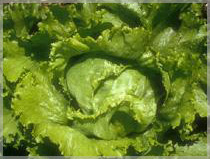 Early
plants of peas and beans may be had by sowing
individual seeds in small pots in a cold frame
or under a cloche. After hardening off the
plants they can be planted out without disturbing
their roots.
Early
plants of peas and beans may be had by sowing
individual seeds in small pots in a cold frame
or under a cloche. After hardening off the
plants they can be planted out without disturbing
their roots.
Successional planting of vegetables such as
lettuce, spring onions and radish will ensure
that you are supplied all summer with food
ready to eat. Instead of sowing lots of seed
in spring and summer sow a few seeds every
7-10 days.
When thinning rows of lettuce seedlings use
the discarded plants in a salad.
Seed
potatoes will crop better when chitted. Position
them in a frost free room close to a window.
Turn the potatoes every few days to allow
all of the shoots to receive good light.
When planting the tubers of Jerusalem artichoke
mark the bed. That way, in the winter, when
you are harvesting them you will be able to
dig all the crop. Any tubers that are missed
will re-grow next year and can become a bit
of a weed.
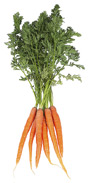 For
your carrots and parsnips to look anything
like those pictured on the seed packet you
will need stone-free soil. Dig the ground
at least 12 inches deep and remove all of
the stones. If a young root comes up against
a stone it will bend around it or fork going
to either side.
For
your carrots and parsnips to look anything
like those pictured on the seed packet you
will need stone-free soil. Dig the ground
at least 12 inches deep and remove all of
the stones. If a young root comes up against
a stone it will bend around it or fork going
to either side.
Alternatively if stone picking is mission
impossible then make holes with a rake handle
or crowbar and fill it with stone-free, riddled
soil. Sow 2 seeds in each position thinning
to one after germination.
Surrounding your vegetable plot with fine
wire mesh 3 ft high, covered with a layer
of clear polythene, will work wonders. It
will shelter the young plants and deter vermin
and rabbits. As carrot fly can’t fly
higher that 18 inches it will also prevent
them from laying their eggs