How to use up half empty jars
Cluttered fridge? We bet we know the culprits: almost-empty jars of various pastes and sauces. Here’s how you can use them up and get your valuable fridge space back.
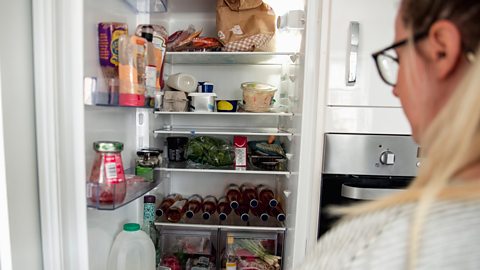
It’s nearly time for the spring clean. But when it comes to tackling your fridge, there’s one thing that’ll likely stop you in your tracks. Behold: the clutter of half-used pickles, pastes, sauces and condiments still waiting to be used – and taking up more than their fair share of shelf space in the meantime.
To save a soul destroying session of scraping it all into the food bin once it’s gone bad, here are some ideas for putting it all to good use.
Antipasto and pickles
These kinds of ingredients are rarely used up all at once. A scattering of olives here, a spoonful of capers there and a dollop of pickle now and again means you’re inevitably left with open jars lining your fridge shelves. To make the most of them, it’s time to start thinking outside the box – or jar, as the case may be.
“Your olives aren't just olives – they're salty flavour bombs,” says food blogger Fliss Freeborn. Likewise for capers. Think about what sort of flavours they'd go with and how to build a dish from there if you're looking to use them up.
“I’ll use leftover olives in pasta sauces or on pizzas and I love using artichoke hearts in risotto with fresh asparagus when it's in season.”
Pizza on toast
Use up both left over pasta sauce and olives by adding them to a simple dish like this pizza on toast

An obvious way to use them is to tumble through Mediterranean-style salads – but why not put them to work with other greens too? “They’re great scattered over cooked veggies like broccoli or steamed greens,” says fellow food blogger Wendy Mallins.
When it comes to pickles, there’s a world of options, Freeborn thinks. “I'll often chop up cornichons to ripple through mayo or natural yoghurt along with lemon juice and garlic for a more exciting dip or condiment. I also love pink pickled onions so usually have some lurking in the fridge. Luckily, they go on everything and anything that needs some sharpness and bite – they're especially good with tinned mackerel.”
Sauces
“Jars of pasta sauce can often double up as pizza sauce and also give great acidity to a sandwich in the same way ketchup or chutney might do,” says Freeborn.
Mallins adds: “Try pizza toast: spread a layer of pasta sauce onto toast, top with cheese and melt under the grill.
Baked bean shakshuka
It may not be a traditional method for making it but you could use pasta sauce or baked beans in this budget-friendly shakshuka-style dish
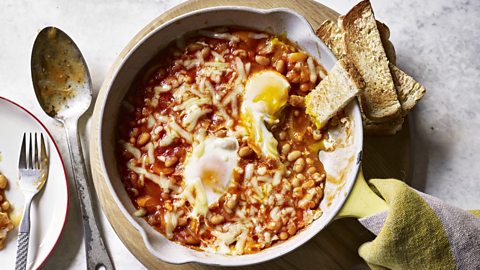
“Alternatively, use up leftover pasta sauce for shakshuka-style baked eggs – if you don't quite have enough, add a tin of chopped tomatoes too. Just stir in a pinch of salt, chilli flakes and herbs, simmer in a large frying pan, then drop the eggs in to cook and serve with crusty bread.”
Pesto
When you put your half-used jar of pesto back in the fridge, do what you can to preserve what’s left. “Pat pesto down into an even layer and cover with olive oil to form a barrier between the air and the pesto. It'll help it keep for a little longer and you can use the basil-flavoured oil to cook with, or just stir it through for an even richer pesto,” says Freeborn.
“Pesto – or anything similar – will do well spread over a sheet of puff pastry and topped with mozzarella to make a near-instant fancy tart, or even stirred through softened cream cheese for a lovely sandwich spread. Also, basil and tomato are a match made in heaven, so stir a teaspoon of pesto through your tomato sauce or bolognese at the end of cooking for a fresh, herby flavour.”
Mallins suggests using pesto to give your pancakes a savoury edge. “Mix a tablespoon of pesto into pancake batter then, once cooked, you can use them like wraps and fill with cheese, ham or tuna.”
Curry paste
These jars of aromatic spice and herb mixes are far from one-trick ponies. There are plenty of dishes that could benefit from a dollop of curry sauce, from brunches to sides and even roast meats.
“Stir curry paste into your scrambled eggs as they cook, then stuff the mix into a toasted pitta," suggests Mallins. "It’s great for making spicy roast potatoes too; just toss par-boiled potatoes in sunflower oil and curry paste then roast in the oven.
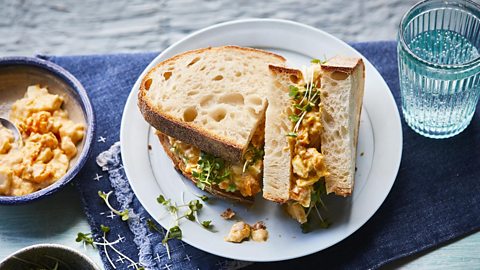
Curried egg mayo sandwich
Use up the last bits of curry paste in this simple sandwich
“You could even fry curry paste with onions and then tip in cooked rice and stir fry for a quick and wallet-friendly lunch. Serve as it is or add peas, mushrooms and top with a fried egg.”
Freeborn adds her personal favourite trick for this oft-wasted ingredient: “Rub any Indian-inspired curry paste all over a chicken and roast it.”
Jam and chutney
“I jazz up tomato chutney with chopped fresh red onion, half a small chopped red chilli, some lime juice and some coriander to turn it into a makeshift salsa,” says Freeborn.
Mallins suggests you use chutney to make cheese twists. “Spread chutney onto a ready-made pastry sheet, scatter over grated cheese, cut into strips, twist and bake at 200C until golden brown. Delicious!”
Talking of ready-made pastry, Freeborn pairs it with jam to make “nearly-instant jam tarts. Use a wine glass to cut out circles in the sheet of pastry, press into a greased cupcake tray and fill with a teaspoon of jam each. Bake at 180C for 20 minutes. For a more indulgent treat, make a quick crumble topping and sprinkle that on top of the tarts before baking.”
Food blogger Lisa Marley prefers to use these fruit preserves in savoury dishes. “Make a vinaigrette by adding oil and vinegar to the end of the jam jar and give it a rigorous shake. Or use jam as the base of a marinade or glaze for vegetables. Adding some soy sauce makes a wonderful sweet and salty dip, too.
“You can do this with tahini as well. Add a splash of boiling water and give it a good shake. Then add to pasta or even pour over ice cream.”
Condiments
“If you have a smidgen of mayonnaise in the jar, squeeze in a tablespoon of lemon juice to loosen it and then and use it in a sandwich,” says Marley. “Or, turn it into a creamy salad dressing by adding 50ml of olive oil, half a teaspoon of garlic granules and the juice of a lemon. Shake and pour.
“For leftover ketchup, add a tablespoon or two of apple cider vinegar, a pinch of salt and give it a good shake. You’ll have a lovely glaze for meat joints.”
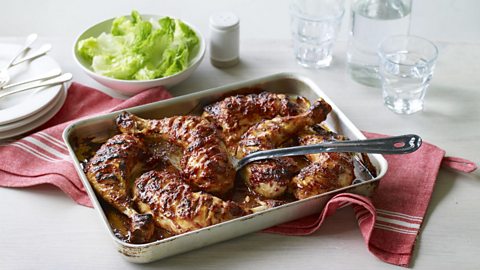
Sticky honey garlic chicken
This Mary Berry recipe makes the most of condiments in your fridge
When apple or cranberry sauce is what’s taking up all that real estate in your fridge, Mallins has plenty of ideas. “Dollop it onto pancakes or waffles with Greek yoghurt, a sprinkling of seeds and drizzle of syrup, or stir it into a bowl of porridge.
“You can even, mix apple or cranberry sauce into smoothies or milkshakes.”
Prevention is better than a cure
Once you’ve lightened your fridge’s load, stay savvy to stop those jars from piling up again.
Go for versatile ingredients
“Try not to buy one-trick-wonder ingredients,” says Freeborn. “If you know, deep down, you're not going to use that fancy, expensive spice paste for more than one meal, don't buy it and find a way to substitute it.
“If you do buy it, look up some adjacent recipes sooner rather than later, so they're at the front of your mind. Many spice pastes will double up as a marinade for grilled meat when mixed with an acid and some oil, or are great stirred through a more neutral ingredient like yoghurt to make a dip.”
Rearrange
Unless you’re blessed with height, it can be tricky to see right to the back of the top shelf in your fridge – let alone reach it. So, perhaps keeping that jar of homemade salad dressing or pickles that are about to go off there isn’t ideal: they’re too easy to forget about.
Put ingredients that need using up at the front of easy-to-reach shelves to help you remember and make them accessible. You can also do your future self a favour by storing them next to the ingredients you’re likely to use them with.
Save the date
“I recommend using a permanent marker to write the date on the jar when you open it,” says professional home organiser, Sue Spencer. “That way you’ll know when it’s time to throw it out. It's also worth keeping the labels facing out so you can see exactly what you've got.”
With everything handily dated, you can rotate ingredients easily on your shelves, keeping those that are coming to the end of their life in the most prominent spots.
Freeze the excess
When you open a jar of sauce or paste, you might be able to freeze what you’re not immediately using, so it’ll keep for longer. Curry paste, pesto, passata and lots of other sauces are usually suitable for decanting into containers and freezing – just check the label.
Whichever it is that you’re stashing in the freezer, using ice cube trays is a handy trick: just pop out the amount you need when you come to use it again.
Double up
Of course, using something up entirely is one of the easiest ways to avoid leftovers clogging up your fridge.
It might sound obvious, but isn’t something we often think of when we’re following a recipe, says Freeborn. “If you're making a curry using a jarred paste and don't know what you're going to do with the rest, just make more curry than you need, scaling the recipe up to make use of the whole jar. You can keep the rest for a quick weeknight meal or handy lunch.”
Originally published March 2023