How I learnt to enjoy food again after an eating disorder
By BBC Health's Annabel Rackham
It’s been a long road, but my relationship with eating is more positive now than it’s been for decades. This is my story.
 Image source, Annabel Rackham
Trigger warning: contains descriptions of living with an eating disorder
My relationship with food was dysfunctional for most of my teens and into my 20s. It began when I developed inflammatory bowel disease (IBD).
I was 10 years old and had been unable to eat anything substantial for several months. I was constantly paralysed with stomach pain and felt sick after eating just a spoonful of mashed potato. Eventually, after a specialist referral that my parents had to beg for, I was diagnosed with IBD.
IBD involves chronic inflammation of the gut and the two most common forms of it are Ulcerative Colitis (UC) and Crohn’s Disease. UC affects the colon, while Crohn’s can affect anywhere from the mouth to the bottom. There is currently no known cause or cure for IBD.
The spiral
Among other medication, I was prescribed steroids to reduce inflammation in my gut. They felt like a miracle cure: finally I wasn’t exhausted all the time and could do everyday activities again. They had side effects though, and caused my weight to go up and down significantly, to the point where I needed clothes in different sizes, including my school uniform.
I was also told to avoid certain foods when I was having a flare up, so I started to create a list of ‘safe’ and ‘unsafe’ foods in my head. Alcohol was something my doctors had always advised against too, as it can cause the condition to deteriorate.
I started to channel my energy into trips to the gym, often going twice a day and restricting my food further.
But when I moved to university, making new friends became my priority and socialising took over. Nights out, drinking every day and late-night takeaways sent me into a spiral after a few months. I was desperate to try and find some grounding and developed bulimia, going through cycles of binge eating and purging, all while keeping up my obsessive gym habits.
This, sadly, is a spiral that may people with IBD find themselves in, Sarah Sleet, CEO of charity Crohn’s and Colitis UK, told me. “The evidence shows that eating disorders, like anorexia, bulimia or binge-eating disorders, are slightly more common in people with Crohn’s or Colitis than in other people.
“Changes in diet, medicines or the illness itself can mean people experience weight changes that they find challenging. We also know that avoiding particular foods or following diets that limit whole food groups can increase the risk of developing an eating disorder.”
A turning point came in my final year of university. I was visiting home and our family dog found my stash of chocolate I’d hidden away to binge on, and ate an entire box. Chocolate is toxic to dogs, so he had to be rushed to the vet – my mum was frantic.
Stepping back and rationalising what had happened made me want to stop for good.
That was eight years ago. While I’ve not binged since, it has taken a lot of work to develop a more positive relationship with food.
Related stories
Breaking the cycle
My road to recovery started with trying to eat the food I’d labelled ‘bad’ – chocolate, sweets and biscuits – in moderation. For years, I’d completely avoided eating them outside of binging, so it was important I disassociated the foods from that process. This was difficult: having access to these foods made it tempting to fall back into my previous cycles, and activities like going shopping for food were tough.
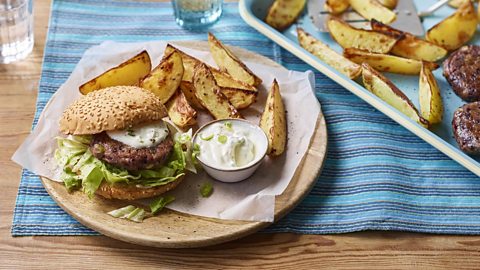
I also worked to normalise foods I’d not been able to eat while struggling with IBD symptoms, like burgers and fried foods. I’d order kid’s portions then slowly build up to having full-size dishes, although I still need to avoid them when I have a flare up.
Then I began to work on my relationship with exercise, which had also suffered. I tried to stop seeing the gym as penance for my binges – which is how I’d been treating it for years – and learn to not let a bad workout ruin my day. I found it helpful to introduce weight training into my routine and cut down on cardio, which I associated with punishment. For me, weights felt more positive.
I also tried to exercise when I knew was limited on time – like on my lunchbreak while working from home – so I didn’t get fixated on the idea of spending hours in the gym. Exercise classes also helped because they had a predetermined length.
Finding support
I’m lucky that a lot of my friends have quite a healthy relationship with food, so I found eating with them eased any feelings of anxiety. I always feared – and still do – that people might be watching and judging me for how I eat.
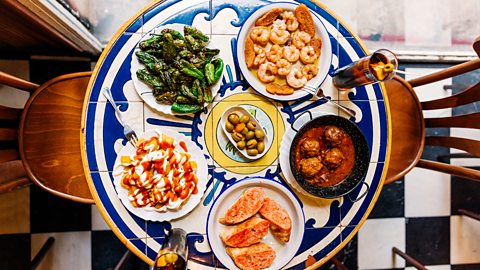
If I ate a meal all to myself, I would feel guilty for finishing it, and often became overwhelmed by choice, worrying about whether I’d picked the lowest calorie or healthiest dish. For this reason, I’ve found going to tapas-style restaurants helpful, as sharing food with friends or my partner makes me less conscious about how much I’m eating, and also gives me opportunities to try a bit of everything.
Educating myself on nutrition has been important too. By reading lots of books from nutritionists and fitness professionals like Joe Wicks, I’ve learnt about the benefits of different food groups and understand why we need things like fibre, protein, carbohydrates and healthy fats. An analogy that has really stuck with me is that you should treat your body like a car: it needs the right fuel to get you to where you want to be.
I have also spoken to a therapist and used Cognitive Behavioural Therapy (CBT) to examine my relationship with food over the years. This has also helped me begin to understand why I feel a certain way when it comes to my body image.
Thanks to CBT, I’ve been able to hit certain milestones, like eating out more than once in a week or facing one of my biggest fears, which was having a burger, chips and a milkshake all in one sitting.
Of course, I have faced setbacks along the way. For instance, I found the new government regulations of displaying calories on menus quite difficult at times.
I still have work to do when it comes to being comfortable eating around others and dealing with anxiety over how much I’ve eaten. But this is a constant learning process and I find myself more at peace with food each day, which I hope provides comfort to those who are only just starting their journey.
If you, or someone you know, have been affected by eating disorders help and support is available.
Originally published March 2023