What is a personalised diet and is it right for you?
One size doesn’t fit all when it comes to healthy eating advice, according to some scientists. Personalised nutrition plans take into account either your genetics, gut bacteria, eating habits, body measurements, weight, cholesterol levels and lifestyle, or a combination of these. Some nutritionists offer personalised diets, and home-testing kits are available for a number of the factors considered. Could personalised nutrition work for you?
What is personalised nutrition?

Dietitians have been giving personalised diet advice for decades. However, developments in the understanding of factors that affect our individual digestive and metabolic profile, and in the technology that enables us to test for some of these things, have given way to new methods of personalising diets.
For instance, research indicates that as individuals we metabolise some foods more quickly than others. This implies that if we knew more about how different foods affect our bodies, we could identify and avoid or cut back on our personal triggers for blood sugar spikes and excess energy.
People’s reasons for seeking a personalised diet will vary. According to the British Medical Journal, uses include “for the dietary management of people with specific diseases or intolerances and for those who need special nutritional support, for example, in pregnancy and old age”, as well as for improving health and wellbeing and weight management. If you suspect you have a food allergy or [food intolerance], it is important to identify which foods are causing the reaction.
Is personalised nutrition good for your gut?
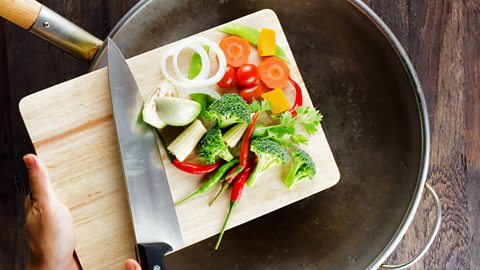
“When you eat, you’re not just nourishing your body, you’re feeding the trillions of microbes that live inside your gut”, says Tim Spector, Professor of Genetic Epidemiology at King’s College London. He was involved in recent research that identified ‘good’ and ‘bad’ microbes that correlate with an individual’s risk of common conditions, including Type-2 diabetes, heart disease and obesity.
“We may be able to modify our gut microbiome to optimise our health by choosing the best foods for our unique biology”, says Dr Sarah Berry, Nutrition Sciences Lecturer at King’s and Head of Nutrition Science at the group Zoe, which sells an at-home kit to test your “gut, blood fat and blood sugar responses”. While there are broad guidelines for eating for a healthy gut, such as having plenty of fruit and vegetables, no two microbiomes are the same, so in theory personalised advice could be useful.
This science is “still in its infancy” though, says Dr Heidi Staudacher, dietitian and Postdoctoral Research Fellow at Deakin University. Companies selling microbiome test kits offer different levels of detail and interpretation of the results.
Is a personalised diet easier to stick to?
Research indicates we may feel more motivated to follow personalised diet advice than generic advice. In one study, groups of participants were given either general diet guidance, such as eating at least five portions of fruit and veg per day, or personalised advice based on their diet, body measurements or genetics, or a combination of these factors.
“We found participants who received personalised dietary advice reduced their intake of discretionary foods more than participants who received usual dietary advice”, says Dr Katherine Livingstone, a lead researcher for the study and Senior Research Fellow at Deakin University’s Institute for Physical Activity and Nutrition. This improvement was seen regardless of which factors the personalised nutrition was based on, although genetic information led to the biggest difference.
What is the role of genetics?
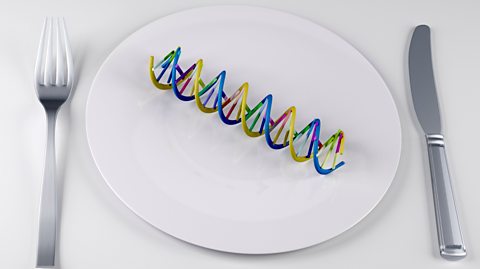
Some research into insulin resistance suggests genetics may influence how you process particular foods.
But the PREDICT study, which King’s College London was involved with, suggests DNA testing alone may not give a complete picture. The research measured the sugar, insulin and fat markers in over 1,000 twins’ blood before and after eating the same meals in both controlled and real-world settings. It found even identical twins, sharing the same DNA, had different blood responses to the same food. The “lack of a major genetic component […] highlights the likely involvement of modifiable environmental exposures”, such as exercise, sleep and meal timing, in individual food responses, according to the research. It also found the “gut-microbiome composition” of participants, which it analysed, partly “explained” some of their metabolic responses to foods.
Planning your diet
“Evidence is still lacking for [the] efficacy, cost-effectiveness and additional benefits of personalised nutrition”, says Ayela Spiro, Nutrition Science Manager for the British Nutrition Foundation. But that doesn’t mean there aren’t benefits for some people from personalised nutrition, depending on their condition and the appropriateness of the tests they have. Our knowledge about personalised nutrition is continually developing, and it seems likely to play a significant role in diet advice in the future.
“Health-care professionals, such as dietitians, should remain the first point of call when seeking dietary advice”, says Dr Livingstone. “We should continue to promote the key features of healthier dietary patterns”, says Spiro, and “make it easier for individuals to change and maintain healthier eating”.