The butcher's guide to the best bangers
Do you know your Cumberland from your kabanos? Find out what to look for in the best bangers and how to cook them from expert butcher, Josie Gulyas.
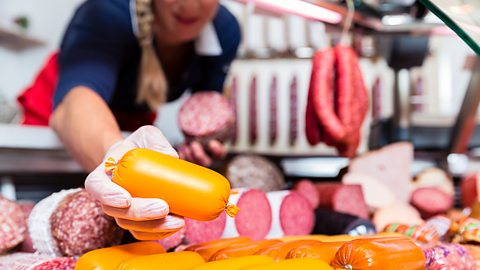
Sausages have always existed in both cheap and posh forms, managing to be both a treat and a budget-friendly meal. As food prices soar, the humble sausage has become a reliable cheap eat. Budget bakers Greggs reported a rise in the sales of its sausage rolls and even premium brands like Heck are releasing new cheaper lines.
But as Josie Gulyas, Master Sausage Maker at The Ginger Pig butchers explains, you can spot good quality and a style that suits you to make the most of an affordable classic.
What to look for when buying sausages
When buying sausages, there are a lot of options. Pork is the most common meat used and it’s generally mixed with pork fat, rusk (very dry breadcrumbs), water and seasoning. If pork’s not for you there are an increasing number of alternatives. “You can use any type of fresh meat including beef, lamb, chicken or even seafood,” says Josie. “And there are vegetarian sausages as well,” he admits.
“I really like to see detail on the sausage – so you can see the meat and fat as separate parts – rather than it being all mashed in or one colour,” says Josie, who prefers a British traditional coarse style. “You should also be able to see fresh herbs,” he adds. German-style sausages, like frankfurters and bratwurst, however, may have a more uniform appearance because they are finely minced.
“Look at the ends and see if they look dry. If so, or if the ends start to look green, this means the sausages are starting to get a little old.”
Josie says the fat content should be no more than 25-30 percent (25-30g per 100g on the label). Any higher and, he says, it will upset the balance of flavours and texture. Fat is still important, as is rusk and added water, for keeping the sausages juicy and tender. Very meaty sausages, with little rusk or fat, can be a bit tough but work a treat in a stew (see Toulouse sausages).
Which sausage?
Cumberland: Frequently sold in a coil shape, this is one of the more distinctive sausages. They’re peppery and the pork meat is coarsely chopped rather than minced so it’s got a crumbly texture.
Irish: A very smooth sausage that is light in colour with egg and breadcrumbs in the mixture.
Lincolnshire: Like the Cumberland, you can expect the pork meat to be relatively coarse. It is less peppery though and tends to feature a lot of sage.
Chipolatas: Thin and short, they are particularly popular at Christmas when they're used for making pigs in blankets.
Chorizo: A Spanish sausage that is flavoured with smoked paprika and garlic. It can be spicy (picante) or mild (dulce). Cooking chorizo (whole sausages, sold in the fridge section) need to be cooked. Cured chorizo, sold sliced or as a long sausage for slicing, can be eaten without further cooking.
Other types
Lorne: Scottish square sausage that can be made up easily at home for a Scottish breakfast
Glamorgan: Made fresh at home, these vegetarian sausages from Wales combine leeks, breadcrumbs and Caerphilly or cheddar cheese.
Toulouse: This meaty French sausage is coarser textured and garlicky, and likely to turn up in a meaty cassoulet.
Merguez: A North African sausage made from lamb or beef, it's heavily spiced with cumin and chillies.
Kabanos: Thin and long, these peppery Polish sausages have a smoky flavour and tend to be ready to eat.
'Nduja: Spreadable and spicy, this Italian sausage is not in a casing. A little goes a long way in pasta or on pizza, thanks to the plentiful chillies.
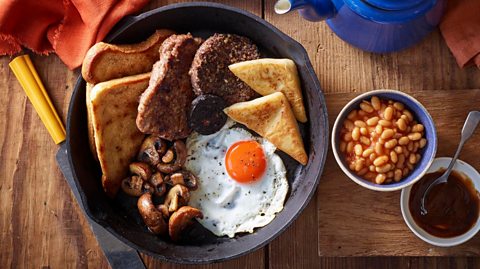
Black pudding: This soft, sliceable blood-sausage can be divisive, but its sweet and mild flavour is a good addition to other meats, as in Nigella's black pudding meatballs.
The best sausage cooking methods
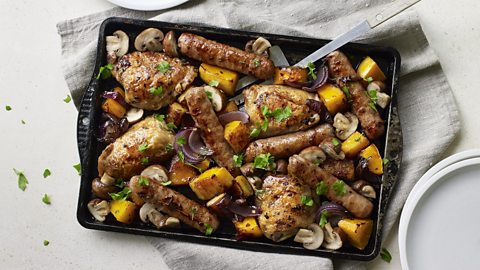
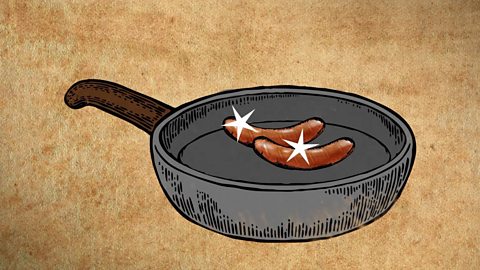
Pricking sausages is not advised, as the juices inside the sausage will spurt out and they'll be drier-tasting. The key is, he says, to “take the sausages out from the fridge for a good 10-15 minutes before you cook them – this will make them less likely to split or spurt.
Prior to cooking, dry the sausages with kitchen towel and then rub a little oil on the skin – so you get a nice brown colour.” If they are still spurting when cooking, despite having let them rest, that probably means there’s a hole in the sausage skin and the water is reacting to oil.
“I just bought an air fryer and it’s great for cooking sausages – it’s better than an oven actually. It doesn’t even require you to turn the sausages,” says Josie. If you don't have a paddle to turn food in your air-fryer, you may need to give them a shake part way through cooking. If you don't have an air fryer, just bake them on a high heat “for six to seven minutes and then turn the sausages and cook for another 10 minutes.” Frying and grilling are equally good methods.
Beyond mash
There are plenty of sausage recipes where they stand in for more expensive meats, or add flavour to humble ingredients. The trick is choosing the right sausage for the job.
If the sausages are particularly peppery – such as a Cumberland, you might want a milder accompaniment, like a gnocchi bake or balance them with sweet tomatoes and creamy beans in a sausage casserole.
If they’re herbier, pair them with ingredients that match those herbs. A sagey Linconshire sausage would pair with a squash and kale pasta or fit right into a sage and onion sausage stuffing.
“If you’ve got a nice smoky chorizo, it's always lovely to use it in any kind of stew or in a ragu,” says Josie, before adding: “Or if you’ve got Italian sausages – whether they’re classic or spicy, they are great for pasta dishes.”
Using sausage meat
Buying sausage meat, or taking the casings off sausages, gives you a flexible, ready-seasoned mince that can transform into a completely different dish. “You just fry it up and can add it to dishes like pasta – you won’t really need extra seasoning,” says Josie. As always, there's the posh version in Theo Randall's sausage and ricotta cannelloni or there's a budget version in our one-pan sausage pasta.
Nigella Lawson uses unwrapped sausages as a quick and convenient way to make meatballs, but they can also become near instant party food in sausage rolls.
Can you make your own sausage?
Yes, says Josie, but without a special machine to put the meat into casings, you may be better off just moulding them into a sausage shape. “You make your sausage mix and roll it into shape, then put them in the fridge overnight to firm up. Then they will fry nicely and maintain their shape – just in the same way they will when making burgers.” Fans of homemade Lorne sausages will recognise the technique.
Whether you’re filling skins or not, the key, if using pork is to keep the mix cold, “the fat has a low melting point, so if you leave it out too long, it will change the texture of your sausages.”
Originally published November 2022