Whatever happened to Pimm's No. 2?
Would you swap gin for whisky in your glass of Pimm's at Wimbledon? Stranger drinks than that have come and gone – how many of these summer sips do you remember?
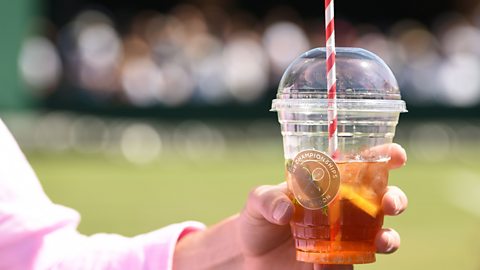
Wimbledon is almost upon us. And this means one thing – it’s time to sit back and watch the action unfold with a glass of something cold and refreshing.
Pimm’s No. 1 is a popular choice at the world-famous tennis tournament, with more than 276,000 glasses of the gin-based drink expected to be poured courtside during the two-week event.
You may have noticed we specified ‘No. 1’. That’s because the brand has actually made seven – yes, seven – versions over the years.
Each variant featured a different spirit – including rum, rye whiskey and tequila – but not all stood the test of time. In fact, No. 2, No. 3, No. 4 and No. 5 were all discontinued in the ’70s after global drinks company Diageo bought the brand. No. 3, featuring brandy, was later reincarnated as the current Pimm’s Winter Cup, and No. 6 – which was based on vodka – was only discontinued for good in 2021 after previous attempts to ditch it were met with an outpouring from fans. As for No. 7, it’s been debated as to whether it was ever actually available to buy.
Low demand was blamed for the disappearance of these spirit-based liqueurs, and when we contacted the manufacturer to find out more, we were met with a polite decline to comment.
So, five versions of Pimm’s have all been laid to rest in the beverage graveyard, alongside Hubba Bubba soda, never to be sipped again.
Take a wander around said cemetery and you’ll likely unearth the old, faded gravestones of these other drinks too. How many do you remember?
TaB Clear and Crystal Pepsi
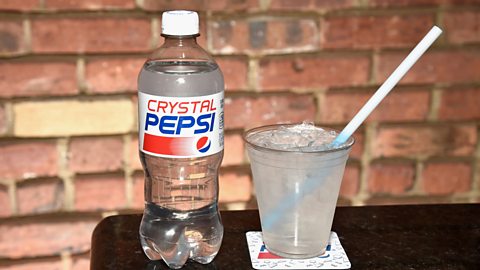
Diet soda TaB, launched by Coca-Cola in 1963, came in iconic pink cans and quickly cornered the USA market – it was a pre-curser to Diet Coke and even when that new product hit the market, TaB stood its ground, lasting until 2020.
However, one of its offshoots, TaB Clear, might be more recognisable to fizzy drink fans in the UK. Back in the early ’90s, a trend emerged for clear sodas (think the taste of cola but the appearance of lemonade) and this one was an immediate hit, with people associating it with ‘wellness’.
Despite a booming initial few months, success was fleeting. It survived for just a year.
But was all quite as it seemed? Previously published quotes by former Coke marketing chief, Sergio Zyman highlight that the drink was intended to be a short-lived shelf-filler, because its purpose was to confuse shoppers who might be tempted by the new offering from their rivals called Crystal Pepsi (which was also colourless). Zyman’s idea was that consumers would see the two options and get confused about the differences between the two (Crystal Pepsi wasn’t a diet drink), before choosing something else entirely.
Zyman explained it was a “kamikaze” drink.
As for Crystal Pepsi, that was the brainchild of marketing expert David Novak, who thought it was going to be a game-changer. But it was not to be, and he has since called the drink “my biggest career fail”, reflecting that he should have listened to experts in the lab who expressed concern that it didn’t taste enough like Pepsi.
Panda Pops
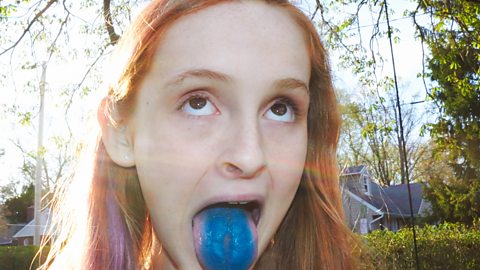
You read that right: Panda Pops no longer exist. You may have presumed, like us, that the brightly coloured drinks – popular with kids of the ’90s and 2000s – were still being enjoyed by the youth of today. But the drinks of tuckshop royalty were actually discontinued in 2011, albeit after a pretty respectable 35-year reign.
You can probably guess the reason behind their demise. The almost luminescent drinks that would dye your tongue bright colours fell out of favour with parents as they became concerned about the drinks’ nutritional merits (negligible). The manufacturer, Nichols, decided to focus on still juice drinks and flavoured waters instead.
Bacardi Breezers
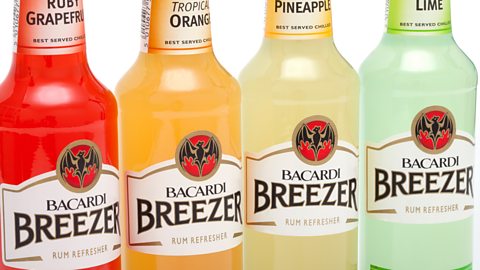
There was a time (namely the 1990s and 2000s) when everyone swapped their spirit-and-mixer order for the bright new sugar filled, sickly sweet drink on the block: an alcopop.
Bacardi Breezer was one of the most recognisable brands in this cohort, with the most popular variety being orange – although there was a whole rainbow of different flavours available.
The alcopop market quickly became saturated and then had to contend with public backlash as people accused brands of heavily marketing them to young people.
"The name itself is part of the problem – alcopops suggested an element of juvenile immaturity," said drinks expert Rob Willock, to the BBC back in 2013.
"[Alcopops] enjoyed a classic product life cycle. When they burst on to the scene, they were very popular. The moral panic that ensued did damage their prospects. They disappeared almost as quickly as they arrived."
While floors of bars and nightclubs across the land have benefitted from the decline of these impossibly sticky drinks, you might still spot some of them in some pub fridges and supermarkets.
The original Bacardi Breezer isn’t in attendance at any of the above though, having gone out of production in 2015.
Quatro
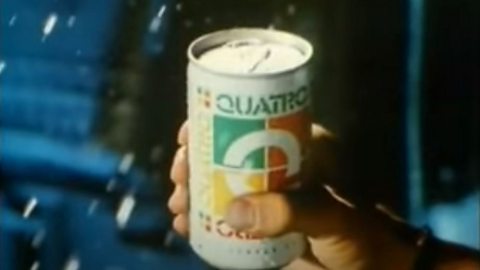 Image source, Youtube/Quatro
With a name inspired by the mix of four flavours (pineapple, grapefruit, orange and passion fruit, in case you never deciphered those), this carbonated soft drink was an ’80s stalwart. And what’s more, it came with a pretty iconic advert.
However, as the decade went on, the drink dwindled in popularity – perhaps because alternatives such as Lilt (which has also recently had a big re-brand) were on the rise.
There is still a drink by the same name available to buy in Argentina, Uruguay, Chile and Colombia but before die-hard fans book a flight, it’s actually a grapefruit-flavoured carbonated drink. Perhaps it should be called Uno instead.
Originally published June 2023