Volunteering as a community cook “changed my perspective on everything”
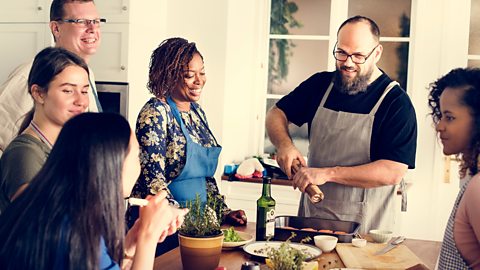
Community kitchens are popping up all over the country. Some tackle food poverty or food waste, others teach cooking skills to boost mental and physical health. Business is getting on board, with a major supermarket running a campaign to distribute surplus food to local communities, including community cafes. But what is a community kitchen and how do they help people?
Father-of-one Sam Faulkner got involved in community kitchen Coexist in Bristol after moving into a dry house. He had been battling an alcohol addiction for years. “I was given the choice between taking sport and cooking courses at the dry house. I’m not very sporty so chose cooking”, he says. “Being an alcoholic is socially isolating, so going into a busy kitchen was intimidating, but it gave me a social outlet I’d never experienced. Food was just sustenance before, but the more I learned the more I began to love it.”
Volunteering for a community kitchen
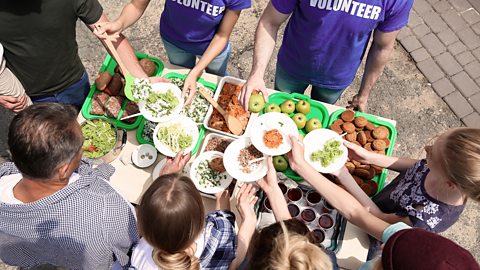
Engagement projects play an “important role in rehabilitation”, according to Justin Hoggans from the Bristol Drugs Project, who set up Sam's placement. Social isolation has been linked to an increased likelihood of relapse. “Community kitchens build social inclusion and construct new social and support networks, strengthening self-esteem and life skills”, says Justin.
Research finds community cooking can increase motivation, socialisation, confidence and frequency of cooking.
Community kitchens can be held anywhere that has a cooker and sink – a church hall, café or home, for instance. A group of people meet to plan, cook, learn and share knowledge and affordable meals. In some cases they're volunteers making food for people who are disadvantaged, in others they're simply people coming together to develop their cooking skills.
Many communities around the country hold sessions for the elderly, disabled, mentally unwell, isolated and anyone else who would benefit from joining in! Some offer courses and skills workshops to encourage healthy eating too. The Square Food Foundation charity in Bristol teaches people to “cook good food from scratch”, offering “a workshop or course to suit everyone, whatever age, experience or lifestyle”, according to their website.
Learning at a community kitchen
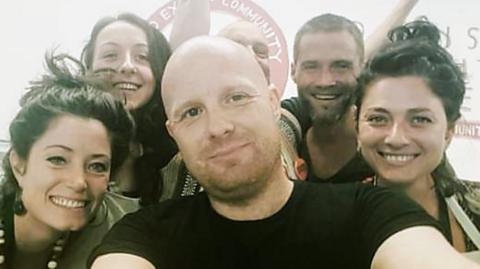
After Sam’s 3-month course at Coexist, he became a volunteer at the kitchen, and stayed for another 15 months. “Volunteering changed my perspective on everything, from friendship to health and wellness”, he says. “It was just such a good feeling and I am still in regular contact with all the friends I made there”.
Sam is now sober, has lost weight and is eating healthily. He works for a charity, helping young people with mental health issues and learning disorders.
Research recognises the potential for volunteering to be a predictor of improved mental and physical health, life satisfaction, self-esteem and happiness. One paper suggests volunteering is so powerful it should be promoted by public health, education and policy practitioners as a “kind of healthy lifestyle”.
Volunteer Vicki Savage says it's a good idea to “find what works for you” before signing up for volunteering. “It’s important to find the places that need you too, as some get more airplay than others and attract a lot of volunteers”, she says. “I once called up a food bank and offered to cook with tins out the front to show people what they could make with the type of food they were picking up”. They declined the offer, but Vicki says there is “no harm in asking!”
Volunteering doesn't always mean a long-term commitment. “Sometimes I’ve been by myself with a group of people once a week every week, and other times I've just signed up to help at a single session clearing the dishes”, says Vicki.
If you or someone you know thinks they can benefit from attending a community kitchen to learn or volunteer, there may be one in your area. An internet search may put you in touch with a support network.
If you've been affected by any of the themes in this article, please visit The NHS website for mental health and addiction helplines.