Always-available vegetables you can rely on through shortages
If all you can find in the fresh aisles of the supermarket is the odd brassica or ball of tumbleweed, we have your back…
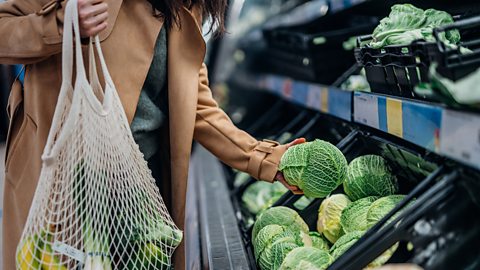
Recent vegetable shortages have left supermarkets with bare shelves and shoppers facing culinary conundrums. If this limited availability has left your meal plans for the week looking shaky, here are some ideas for reliable, always plentiful and simple to prep vegetables to fall back on. Look out, too, for alternative salads and lunchbox snacks that don't rely on those currently lesser-spotted cucumbers and tomatoes.
Beetroot
The sweetness of beetroot, whether you’re eating it cooked or raw, makes it an appealing addition to winter salads. Beetroot stores well throughout the winter so they tend not to be subject to shortages. Large and small ones are equally sweet, but if you come across yellow or white varieties these tend to be less sweet (although very pretty).
Vacuum-packed, cooked, peeled beetroots are an affordable option and save you time and energy in cooking them. They can be sliced in a sandwich, cubed in a salad, blended into hummus or transformed into a pink pasta sauce.
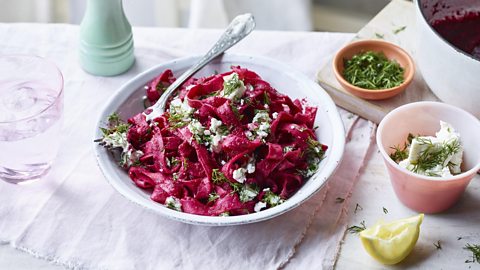
Beetroot and feta pasta
This recipe by Nadiya Hussain is super quick – the only ingredient you have to cook is the pasta
Roasting beetroot in wedges will make it more concentrated in flavour and caramelised on the outside. Once it’s ready, throw it in a salad with grains, lentils or couscous. Pickled beetroot can be particularly vinegary, so it’s less versatile to buy it this way, but it is great in a sandwich.
Raw beetroot makes a great slaw, alongside carrots, celeriac and even swede – its sweetness (and colour) rubs off on other root veg. A little vinegar, salt and sugar makes a good dressing – a squeeze of lemon or orange juice is a nice add-on. Anything salty is a natural counterpoint to the sweetness: cheeses like feta (or salad cheese) and halloumi, or creamy goats’ cheese often pop up in recipes. Nuts and seeds are also a nice contrast in texture.
Now try:
Frozen sweetcorn
This is one to have in the freezer when you need to get the kids on side. Frozen sweetcorn is cheaper by weight than tinned, and you can use as much or as little as you like. It’s instantly thawed out under boiling water, or can be toasted in a dry frying pan straight from frozen, the texture will be chewy and it’ll have a toasty flavour.
Sweetcorn – when combined with tuna mayo – becomes a classic jacket potato and sandwich filling.
It’s also an easy but tasty option in a fritter. And, it commonly appears with beans in Tex-Mex dishes like quesadillas, stews and salsa – though usually that requires tomatoes too. If they’re hard to come by, chillies, spring onions and lime can stand in for flavour and acidity.
Sweetcorn fritters
These sweetcorn fritters are budget-friendly and quick to make

For quick dinner options, sweetcorn’s a useful addition alongside other frozen veg in noodle soups, pasta dishes, and savoury pancakes.
Sweetcorn is also a colourful and cheap addition to soup – especially when blended with potatoes, sweet potatoes or squash.
Frozen corn cobs are a bit more expensive than bags of kernels, but they make a kid-friendly side to a couple of fish fingers or sausages.
Now try:
Radishes
Radishes are really quick and easy to grow, which is probably why they are always in stock. While they’re commonly found sliced in a salad, us Brits really underappreciate how versatile they are.
In East Asian-style salads, radishes go in with carrots and cabbage, often with a peanut dressing. Bulk it up with noodles, rice or even fries.
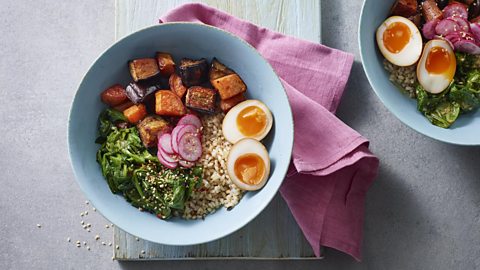
Buddha bowl
If you fancy a healthy and filling dinner, try this Buddha bowl
Radishes are a frequent addition in Middle Eastern couscous salads, sliced into falafel wraps or dipped into hummus. Pickling them for a few minutes in lime juice (or vinegar), sugar and salt transforms them into a gorgeous glowing garnish.
Roasting radishes takes the peppery bite out of them, though they will lose a bit of their colour and crunch. But they also sit happily when served raw as a contrast to sweet roasted vegetables.
Now try:
Red and white cabbage
Red and white cabbages will lasts for a long time in the fridge wrapped in a plastic bag. Any tired outer layers can just be removed and those tight cannonballs will keep for weeks. Cabbage often gets overlooked as a salad vegetable but its resilience makes it a great choice.
As tough as they are, cabbages will soften in a mixture of salt, sugar, acid (vinegar or lemon juice) and oil in about 15 minutes to make a tangy and moreish slaw. Forget soggy, sugary supermarket coleslaw – homemade coleslaw is completely different. Whether mustardy, spicy or fruity, slaw is great in any sandwich.
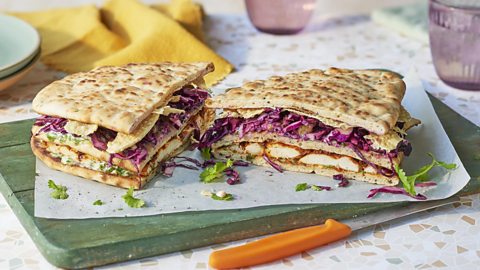
Tandoori chicken sandwich
Add slaw to a sandwich like this tandoori chicken one, and you'll add both crunch and zing to your lunch
Slaw doesn’t have to contain mayonnaise, either. A vinaigrette will do the job as well, or swap in some yoghurt for a healthier (but still creamy) version. Sweet additions such as apple, orange and even grapefruit freshen up the flavour to make it the perfect partner to fried foods or smoky barbecued chicken.
Most cabbages can be grated or chopped into a slaw and mixed with onion, fennel, celeriac, carrots, kohlrabi. Even Brussels sprouts work well, too!
Now try:
Peas
A bag of frozen peas can be a real weapon in the kitchen. Peas will happily sit in the freezer for a good year or so, making them convenient for supermarkets to store in large numbers – one reason perhaps that there’s always a ready supply.
Once thawed, there’s not much difference in the texture or flavour between a pea that’s been frozen and one that’s fresh. And, given that they’re frozen right after picking, they hold on to lots of goodness that’s otherwise lost over time.
They can add colour and nutrition to a meal, be bashed up with oil, lemon and cheese to make a pesto in lieu of leaves or simply blended with stock to make pea soup.
Non avo toast
Use peas to create this brunch treat – there's no costly avocado in sight
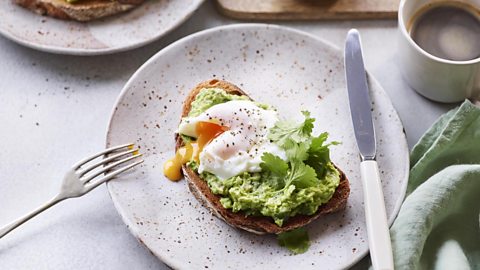
You can buy garden peas or petit pois – though they’re no different in terms of variety. Petit pois are just harvested earlier, meaning they’re smaller and a little sweeter but still pretty much interchangeable. Go for whichever you can find or best suits your budget.
While peas are frequently on the side of a dinner plate, they’re also perfect for brunches and lunches – think blitzed with lime juice, made creamy with yoghurt and piled on toast with an egg (move over, pricy avo) or wrapped in a savoury pancake.
Now try:
Tinned pulses
Tinned beans and pulses are often overlooked as a salad ingredient, but it still adds to your five-a-day count, making it nutritionally valuable as well as convenient. That said, pulses only ever count as one serving, regardless of how many varieties you eat in a day.
They have lots of other virtues, though: they’re largely sustainable to grow, bountiful in supply and are a solid sauce of protein and fibre – and that’s before we’ve even mentioned how versatile they are.
Tinned varieties are already cooked, meaning they’re ready to be drained (rinsing is sometimes also a good idea) and tumbled through whichever green leaves you can find or quickly warmed with onion to make a simple side dish for fish and meat.
Lentil, bean and kale salad
This recipe combines kale and pulses for a thoroughly nutritious salad
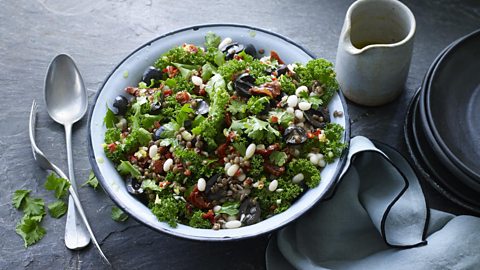
For a warming and wholesome lunch, combine them with tinned tomatoes and stock to make soup, perhaps.
Give chickpeas a quick spell in a frying pan to crisp them up: they can then add crunch and bulk to easy salads that don’t rely too heavily on fresh veg. Of course, chickpeas are also the hero ingredient of hummus – if you don’t have any tahini try blending a drained tin with [vac-packed beetroot and some store cupboard stables to make a low-maintenance version that’s perfect for spreading on bread, filling sandwiches with or dipping carrot sticks into.
Now try:
Frozen spinach
Where fresh spinach might be absent in the supermarket (if only because we stumble into the shop half an hour before closing, despite our best intentions), frozen spinach makes loading this nutritious veg into your meals about as convenient as it gets.
Whether in whole baby leaf form or ready-chopped, frozen spinach is portioned into handy nuggets, meaning you can use specific amounts without waste. Drop them into stews, soups and sauces, or thaw (the microwave can speed that process up) and use raw – just squeeze out any excess moisture with kitchen roll if needed.
Combine with other odds and ends to make a nifty pesto or mix with ricotta to top pasta. Alternatively, toss through couscous and other store cupboard finds for a healthy salad that’s perfect for lunchboxes. Or add, as is, to sandwiches or wraps.
Lunchbox roll-ups
These easy lunchbox roll-ups can be made the night before to beat the morning rush
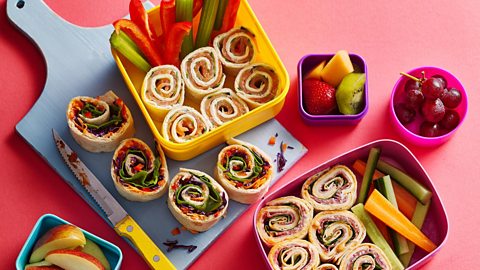
When it comes to healthy and filling breakfasts and brunch dishes, eggs and spinach are great buddies. Add it, thawed, to scrambled eggs, or warm it up and add to toast before topping with a poached egg. You could even bake spinach and eggs along with ham for a tasty brunch pot.
Now try:
Frozen broad beans
Probably less popular than their cousin peas – who you’ll find them next to in the frozen food aisle – broad beans are another summery veg that really doesn’t mind the freezer treatment, thawing pretty agreeably. Also called fava beans, their season is short, meaning fresh ones are hard to come by for much of the year – using frozen is a great way to make the most of them throughout the seasons.
Once defrosted and gently warmed, they can be used in sunshiny salads and mixed with other available greenery and grains for a hearty and healthy side dish or lunch.
Broad bean and feta frittata
A summery frittata like this one with broad beans can be made at any time of year, thanks to the supermarket frozen aisles
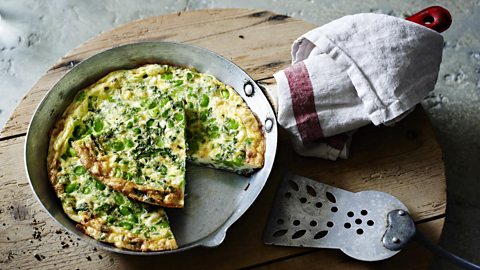
Given their mildly sweet flavour, they pair a treat with slightly salty ingredients, like feta and goats' cheese, and are great when lightly crushed with the likes of zingy lemon or fiery chilli to make a punchy toast-topper, sandwich-filler or side dish.
Now try:
Originally published March 2023