It’s 7pm, and even though lockdown is starting to ease, you're still spending most of your time at home. You’ve done a full day’s work, cleaned, cooked, and now you just want some peace and quiet. Even as you start to think it, you can hear a chorus of parents around the world saying in unison: “fat chance!”

Staying at home as much as possible has meant spending a lot more time with our families, and that can be great in many ways, but at times it can feel like the novelty has reached its limit.
With routines changing, extra rules about what we can and can’t do and anxiety about the world through the roof, it’s normal for tensions to run high. But there are ways to avoid a nuclear war in your home - we spoke to mental health charity Young Minds who gave us their tips for household harmony during the pandemic.
Don’t demand, negotiate
If you’ve got kids that are school age, they’ll likely be set work from their school. And, if they’re not, you might be trying to keep them engaged with some homeschooling of your own. But it’s possible that they might resist timetables you set for them, and this can lead to massive blow outs if you start to get frustrated.
Roxane Caplan, the parents' helpline manager at Young Minds, said that when it comes to having conversations about schoolwork (with teenagers in particular), what’s important is “rather than instruction, it being negotiation and agreeing expectations and goals together, so it's more collaborative.”
Essentially, it’s a good idea to talk to them while you’re making the timetable and include them in the process, rather than enforcing something on them without their input. For example, having a conversation about what times of the day they feel more productive can really help avoid confrontations about staying in bed too long later down the line.
This may not work with younger children though - Rox suggests setting them goals and breaking tasks down for them, but ultimately setting those tasks yourself.
The key with anything like this is flexibility. If what you’ve agreed doesn’t work, instead of getting angry at them, talk to them about what didn’t work so well, readjust, and try again the next day.
Rox explains: “If you become too rigid with [their routine], and then they break down, that can lead to tension.
“You can't just set rules for teenagers because teenagers typically want to push boundaries and break rules.”
Routine is key
That said, routine is still extremely important for both older and younger children, but they might just look a little different.
For example, with teenagers, the NHS states that they need more sleep than adults and younger children, which can lead to them sleeping a lot later in the day. Rather than being resistant to this, agree on a time that ‘school starts’ but make sure it works for them, and then they might stick to it.
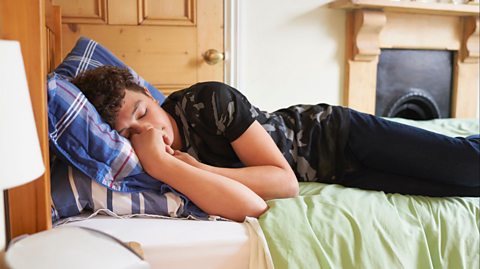
And sticking to a regular sleep pattern, even if it’s at weird times, is extremely important. Roxane says: “Sleep routines are vital and not having enough sleep really affects mental health.”
For younger kids, Roxane thinks it’s better to create a routine that better reflects what they were used to normally, to avoid it being a massive shock when they go back to school, as some kids are starting to.
Help with activity inspiration
It can be tough to hear your child complain about being bored at the best of times, and it’s likely happening a lot more now that our lives are far more restricted.
But Roxane says it’s important to remember that kids, especially very young ones, don’t always find it easy to come up with ideas of how to keep themselves entertained . Excessive choice can be overwhelming.
For example, if you’re annoyed that your child is spending all day inside and not making the most of their exercise time, Roxane suggests proposing an activity you can do as a family, and give them the option of either, for example, a bike ride or a walk. That way, they get some autonomy, and doing it together can be a good way of setting an example.
Another idea that Roxane thinks is especially good for younger children is to put loads of activity ideas in a box. That way, your child can pick something out when they lack inspiration.
Reiterate the rules
Not being able to see as many friends and loved ones as they’d like is going to be really hard on kids at the moment. If you suspect your kids are seeing more people than they should, or aren’t social distancing, Roxane says that “all you can do is give your child or teenager the really clear and strong messages about why it's important to abide by the rules.”

For example, reiterating that it’s for their and others safety, and that ultimately it’s not just you they could be getting in trouble with, but the authorities as well.
Roxane also suggests reminding them that this won’t last forever: “Be clear that it's not a punishment, it is temporary. It's unprecedented what's happening, but things will go back to normal.”
Lastly, it may help to remind them that we’re all in this together.
Lead by example
It’s really important throughout all of this to not forget to be kind to yourself, too.
“If you're stressed out, they'll pick up on that” Roxane says, so the more you can do to keep yourself feeling happy, the more it will rub off on them.
Although alone time might be hard to come by when you’ve got kids, try and do things you enjoy every day. You’ve got this!
Coronavirus: How I'm coping being away from loved ones
Tips on how to deal with being away from friends and family.
An A to Z of fun things to do at home
Twenty-six activities to send boredom packing
How to make the perfect study station at home
Studying at home might seem frustrating at first, but we're here to help.