In 1974, there was a scratchcard revolution.
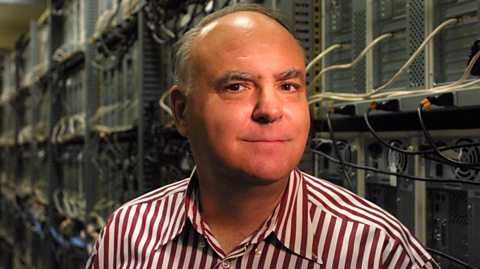
John Koza - a Computer Science graduate redesigned and completely restructured how scratchcards work. Now the company he founded produces 53 billion scratchcards a year.
John Koza told BBC Witness History how he successfully created the modern-day scratchcard and why he still buys them today.

What did scratchcards used to be like?
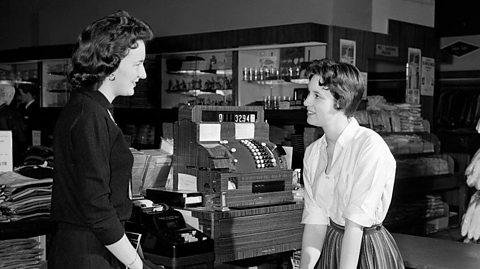
During the 1950s and 1960s in America, a typical scratchcard had 10 different boxes. Players were only allowed to scratch off three of these boxes in attempt to find three matching symbols. If successful, they won a prize.
John explains that these early scratchcards were commonly used “as a promotional device, to increase traffic and customer loyalty” for the places that they were available - like gas stations and grocery stores.
But these cards were created before the era of computer printing. As a result, they were printed on big sheets of paper, with a limited number of patterns.
John explains that without enough patterns “customers could figure out how to make every card a winner". This in turn, could bankrupt the company running the game.
Enter John Koza…
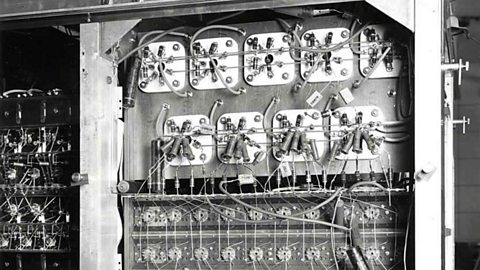
J and H International were one such company needing to find a way to improve the security of their cards. In the late 1960s they found John, who was one of a few people studying Computer Science at the University of Michigan, and they offered him a job.
Using his maths and programming skills, John was able to work out a way to make the scratchcards more secure.
This new technique changed the game entirely. With John’s cards, a player was required to scratch off all boxes, not just a self-made selection.
Although this was a massive win for the company they still had a problem, these tickets couldn’t be sold. That's because at the time the only people you could legally pay in the USA for this kind of ticket was the state lottery.
'An instant game would dramatically increase state lottery sales'
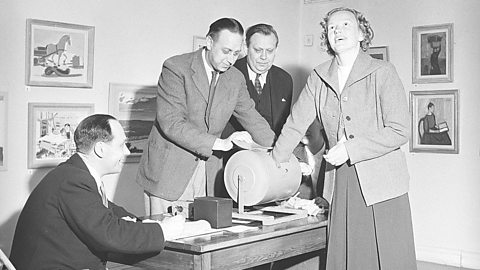
At the time, state lotteries were running something similar to raffle games. They would issue tickets with six-digit-numbers, then on Saturday nights they would hold a draw. According to John these games were “slow moving” and “very unexciting” with little revenue to be made. As a result a lot of state lotteries were not very successful.
John’s new scratchcard design offered something different, instead of waiting for a result at the weekend, the scratchcards gave the player an instant result, and often instant gratification.
John and the team at J and H International were aware that this unique selling point could dramatically increase state lottery sales.
Tough times and fizzy drink fixes
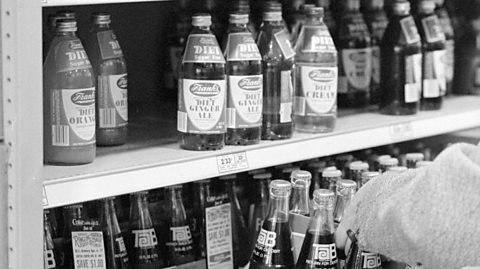
Despite what John calls a “correct assessment” about the appeal of an instant game, state lotteries were not forthcoming.
To make matters worse J and H International went bust, leaving John without a job.
Although John was unemployed he was still determined. He joined forces with fellow former employee Dan Bower and founded their own company called Scientific Games. They continued to pitch their scratchcards, and eventually found some success with the Massachusetts State Lottery Commissioner. The Commissioner saw the potential of an instant game, and was willing to try something new. But, there was a problem. Another competitor had already approached them with their own version of scratchcards.
Ever the opportunist, John asked if he could test how secure these cards were. Somewhat surprisingly, the Commissioner actually said yes.
The pair took the tickets back home. John explains that they discovered “numerous ways that the tickets could be compromised.”
One surprising method involved spilling grapefruit flavoured drink on them. He recalls that this “made the cards turn temporarily transparent” though he was unsure exactly how.
John and Bower went back to the Massachusetts Lottery Board to demonstrate how insecure the cards were.
'We expected the game to be successful but we really had no idea'
With John’s secure scratchcards his company successfully won the rebid.
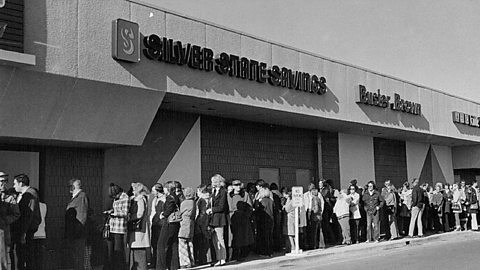
On May 29th, 1974 at 6am the first instant scratchcards went on sale. On its very first day the Massachusetts State Lottery instant game, led by John’s tickets, was so successful that the initial supply sold out. With the chance to win $10,000 or $1,000 a week, the public were lining up around the block to buy these tickets.
Other states soon wanted to be part of the action - a year later half a dozen states started took up the John’s scratchcard game, with more quickly following suit.
He invented scratchcards - and still buys them
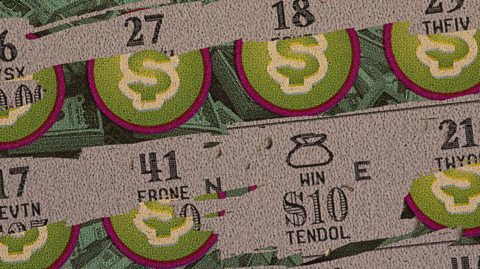
More than 50 years later, John admits that he still buys these scratchcards every week. He loves the idea of what would happen if he won the big prize, as there’s always that chance. A chance he designed.
John Koza was speaking to Johnny I’Anson as part of the BBC World Service’s ‘Witness History’ series, you can listen to the interview, and others in full here.
The minimum age limit for purchasing National Lottery products in the UK is 18 years old.
This article was published in October 2025
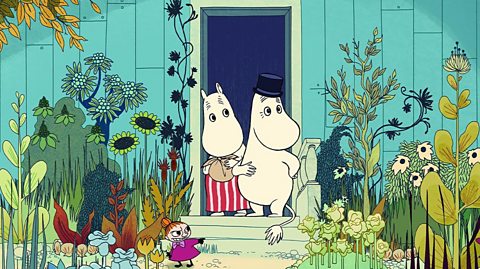
Why we still love The Moomins - 80 years on
To learn more about where these unusual creatures sprang from, we caught up with Sophia Jansson, niece of Moomins’ creator Tove Jansson.

The secretary who made millions from her typos
Before computers letters had to written on a typewriter, any typos and you'd have to start again. One woman's invention in the 1950s changed all that.