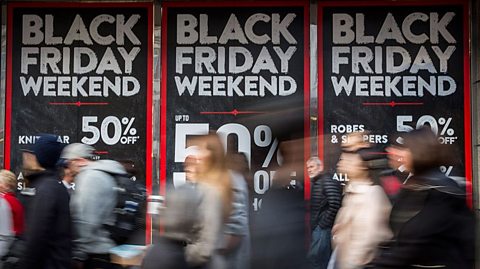
Instead of trying to bag a bargain this Black Friday, have you considered buying… nothing?
BBC Bitesize has an alternative for you if you're thinking 'do I really need that thing?' Introducing 'Buy Nothing Day'.


It was created by Canadian artist Ted David in 1992. He wanted to raise awareness of over consumption (buying lots of things you don’t need) and its link to climate change. Ted teamed up with alternative advertising group Adbusters to start a campaign - Buy Nothing Day. It was then timed to match up with Black Friday and has been adopted and adapted by sustainability groups around the world.
For 2025, in the UK, one campaign encourages people to take a “24 hour detox from consumerism’ and says this is a perfect opportunity to ‘tune into the impact we have on the environment through shopping.”
Are things really cheaper on Black Friday?
There are a couple of things you might want to consider…
Around Black Friday, many shops and retailers are promoting discounts on everything, trying to lure/tempt customers to buy early before Christmas. You might be bombarded on social media, via email and old fashioned adverts on TV or the side of the bus, with all the incredible deals to be had.
But the consumer group Which? has found that not all items were at their cheapest on Black Friday. They followed the prices of 175 tech, health and home appliances across eight retailers, including John Lewis and Amazon, across 12 months from May 2024. They concluded that none of the products they looked at were at their cheapest on Black Friday that year.
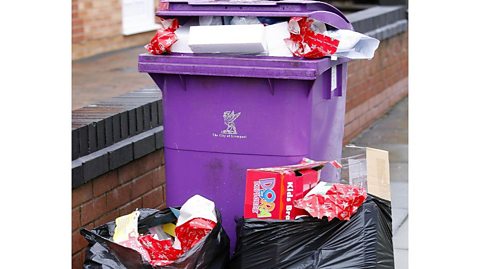
Advice in coping with this hype and fear of missing out includes stopping to think if you, or the person you’re buying for, really wants or needs the item. A saving is only a saving if you or they really want it or really need it.
Last year, in 2024, we threw away around £42 million worth of unwanted presents, according to government data. Most of that ended up in landfill. Another survey by Depop, the secondhand online marketplace, says Brits spent an average of £186.29 on Christmas presents last year. But at least one of those gifts worth £34 (again, on average) will not be appreciated, so given or thrown away.
How will me not shopping for 24 hours make a difference?
The Buy Nothing campaign hopes that taking a pause, in the midst of the year’s busiest shopping time, might encourage us to think about how what we buy, can impact climate change; “As consumers we need to question the products we buy and challenge the companies who produce them.”
They describe not shopping for 24 hours as "taking simple proactive actions to solving the climate crisis" where everyone can do their bit, as they believe "Buy Nothing Day is a great place to start."
But I NEED to get Christmas presents
You may need to get Christmas presents for people, but there are many options if you decide you don't want to spend money on a gift.


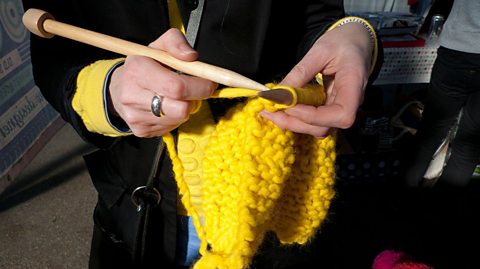
Alternatives to buying new could include craft and DIY options, skill swaps or just spending time together. All give a personal touch and are relatively low cost:
- Offer up your skills - a dedicated iT support session, build some flatpack furniture or offer a music lesson
- Write an IOU note promising dinner, to go for a walk or babysit their child/dog/goldfish
- Make jam, chutney, cakes or festive biscuits.
- Maybe a knitted scarf or hat, sew a bag for life or make a friendship bracelet
- Print a few lines of a well loved song lyric on a mug, t shirt or canvas
- Write your beloved a song, their own jingle or personalised ring tone
- Make them a play list/ mix tape (depending on generation)
- Gift a membership to an organisation, maybe that supports the environment or nature
- Arrange to go volunteering together for a charity that they care about
But little Johnny/Joanna want a very specific thing
You could become a conscious consumer. This is the idea that when we buy stuff, we can influence change through the choices we make. Choosing to buy sustainable and ethically sourced clothing and goods, opting for businesses that can prove their social and green credentials, this can encourage positive change.
This way promotes thoughtful purchasing when you buy something specific. It could be secondhand or reconditioned. Buying less but better quality items, more durable goods or things that can be repaired. Being a conscious consumer when buying gifts could help you find something that people will love and want to keep and treasure.
This article was published in November 2025
Black Fraud Day: How can you spot a Black Friday scam?
With Black Friday just around the corner, BBC Bitesize explores the ways you can avoid online scams.

Christmas: The alternative presents you can give
Here are some different presents you can give this Christmas to put a smile on someone’s face.

How to be more eco-friendly at Christmas
Tips to get you and your family thinking about ways to make this Xmas a season of goodwill to planet Earth.