Learning how to manage money is an important step in a person’s life.
It can help people make savvy decisions and boost their understanding of the world around them - but how can we improve our financial literacy skills? BBC Bitesize spoke to Gabriella, an 18-year-old financial education campaigner, to find out more.

‘I need to do something to change this’
In 2023, during her GCSEs, Gabriella felt inspired to explore financial education in the UK. She decided to write a report on the topic and discovered a lack of meaningful financial education being offered to young people.
When asked about personal finances, one particular finding revealed that 64% of secondary school students felt that the education their school provided would not set them up well for life as an independent adult.
Since publishing the report, Gabriella has presented evidence to the UK Parliamentary Education Committee on financial education and has worked with the Money and Pensions Service. But her interest in financial literacy began at a young age.
“Quite bizarrely, since the age of seven I’ve been very interested in personal finances,” she told BBC Bitesize.
“When other people were watching cartoons, I was watching Watchdog, Rip Off Britain, and Martin Lewis.”
Growing up, she noticed that there was a lack of understanding amongst her peers when it came to money and finance. One particular moment that spurred her to write the report was a conversation with a friend, who didn’t know that banks charged interest.
“If we’re sending people out into the world, not even knowing that banks charge interest, then how do we expect them to navigate a pretty complicated financial landscape without causing all sorts of problems.”
While researching financial education, Gabriella found that 38% of students hadn’t been taught it, despite being on the national curriculum.
“I noticed that there was very much a gap in the knowledge of the people my age and when they went out into the world it was going to have consequences and I thought I need to do something to change this,” she said.

Top tips for improving financial literacy
So, what should young people learn about personal finance before they leave school? Gabriella highlights consumer rights, taxes and student loans as some of the areas she is most often asked about.
“Language around debt is important,” she said. One element of this means being able to identify the difference between debit, not borrowing money to pay for something, and credit, a ‘buy now, pay later’ option, which Gabriella notes as a common mix up.
Building an understanding of tax is another way to help improve your financial skills. Especially just before the age of 16, when you are normally issued your National Insurance number and may be thinking about getting your first job.
Gabriella also emphasises that developing a general knowledge of personal finance can go a long way. While we hear about the financial changes that the government or the Bank of England are making in the news, she believes it’s good to be aware that these things may have an impact in our own lives.
“I feel like understanding the role that financial and economic institutions we have play in our lives [is important],” she explained.
“When I watch the Budget, […] I always write a list of the changes that affect the economy and then I have a separate list of changes that affect people’s personal finances.”
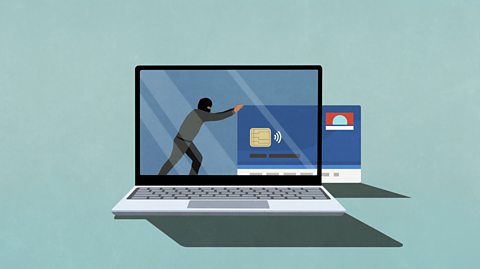
Getting to grips with consumer rights is another subject Gabriella believes should be learnt, especially as you begin to make you own purchasing decisions, both in-person and online. This can help individuals identify the pitfalls of potential scams.
With the rise of finance information online, staying safe on the internet and knowing who you can trust is more significant than ever. In 2023, Ofcom found that 87% of adults in the UK have come across online content they suspected to be a scam or fraud.
Gabriella encourages young people to be wary of the impact social media can have on personal finances. When making financial decisions that concern shopping, she encourages people to ask themselves questions and to double check the source. “If you see an advert on social media, who is it by? What do they want out of you?” she said. “Is it worth my time or should I go and do my own research?”
This article was published in March 2025
Black Fraud Day: How can you spot a Black Friday scam?
With Black Friday just around the corner, BBC Bitesize explores the ways you can avoid online scams.
An ABC of financial words and what they mean
A glossary of words that can help you explain the financial crisis to your child.