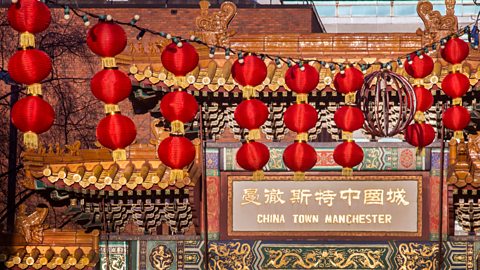
On 1 February, people around the world will welcome in the Lunar New Year.
Also known as Chinese New Year or the arrival of the Spring Festival, this is when a different creature from the 12 in the zodiac will take its turn as the annual cycle begins again. As the old lunar year draws to a close, the ox goes into celestial hibernation until 2033, and the Year of the Tiger begins.
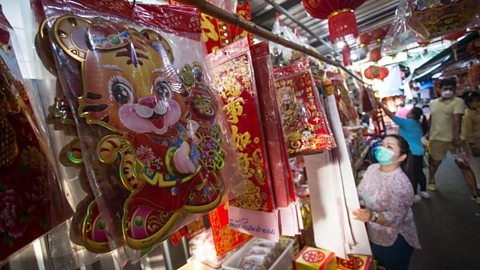
Each of the dozen animals within the zodiac has its own significance in Chinese culture - so where does the tiger sit among the dragons, rats, roosters, pigs, snakes and goats? To find out more, BBC Bitesize spoke to Doctor Lan Lo, a Mandarin language lecturer at the University of Nottingham.
A tiger is a sign of strength
Dr Lo explained that each animal in the calendar demonstrates different attributes. “This is the Year of the Tiger," she said, "so be brave, challenge yourself, express your spiritual outlook and tiger character and boost your self awareness. Express the concept of the different animal in its year.”
As it symbolises bravery and strength, the tiger is known as the king of the beasts throughout Chinese culture. Its imagery has been used as a talisman for soldiers, signifying the animal’s importance as a leader, and how its realm is one where demons would be unwise to tread. Children in China have been known to wear hats or shoes bearing tiger images to bring them luck.
The wisdom of tigers
Tigers are the subject of more than one Chinese saying, especially those related to strength. The 2000 film Crouching Tiger, Hidden Dragon takes its title from a traditional saying, reminding people not to underestimate others, as they may have remarkable talents hidden from view. Dr Lo said that while the tiger is seen as the king of the physical world, the dragon - the only mythical creature in the zodiac - is seen as the ruler of the the heavens.
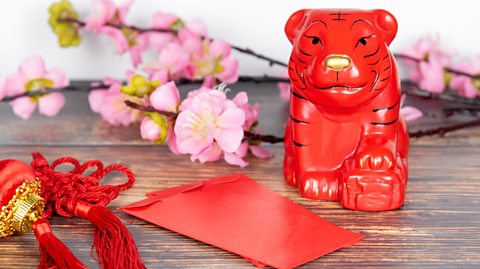
Another saying is ‘like adding wings to a tiger’. This means taking something already powerful, and making it even more so. A sporting example would be a successful and skilful football club signing a player who would make them even more formidable to their opponents.
Celebrating Lunar New Year with family
The animal being celebrated each year may change, but for families across China, the celebrations linked to the beginning of a new lunar year do not.
Similar to Christmas in the UK and Thanksgiving in the USA, people will normally travel far and wide to ensure they can be with their family in time for the New Year celebrations.
“We don’t sleep on New Year’s Eve,” Dr Lo continued. “We’re chatting and having fun.”
Traditions differ across China, as the country is so vast. Dr Lo is from northern China, and her experience of a family new year involves fireworks at midnight. There is also a special ritual, echoed in homes across the country and around the world.
She said: “Children receive the red envelope, the pocket money you save for the whole year. You kneel down to the eldest member in the family to wish them the best of health, and the senior member gives them the envelope. In the south, the red envelope is also given to people who are unmarried.”
Dumplings, rice cakes - and vegetables for breakfast
Food plays a part in many major celebrations and the Lunar New Year is no exception. Dr Lo said: “Dumplings are the most important symbol of Chinese New Year. Usually, the family makes dumplings together. Some will prepare the dough, others prepare the vegetables, all while happily chatting.” It is said that golden dumplings represent pieces of gold and can symbolise prosperity for the coming year.
“In the north,” Dr Lo continued, “the New Year’s Eve dumpling is often non-vegetarian and on New Year’s Day, the first breakfast of the morning is usually a dumpling again, but vegetarian - or a serving of vegetables. We believe that having a vegetarian meal first means that you will have a clear mind and a smooth year.”
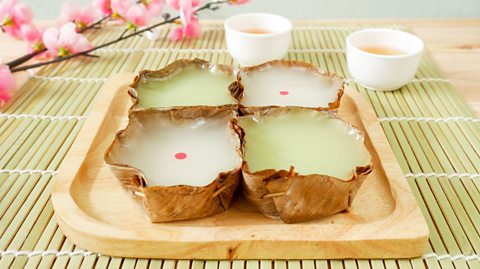
There are differences to the menu in the south of the country. There, Dr Lo said, it is popular to eat Nian Gao, a type of sticky rice cake which symbolises that the coming year will be better than the last.
The Lunar New Year also heralds the start of 15 days of official celebrations, with holidays for school children and students, as well as a break for workers.
Dr Lo said: “The 15th day will be the Lantern Festival, which is the official end of celebrations.”
After that, the tiger continues to roar until the end of the lunar year, when it will be replaced by the rabbit - and the cycle continues.
Chinese New Year
A young member of the Chinese community in the UK talks about the festival of Chinese New Year and why she enjoys it so much. From BBC Teach School Radio.
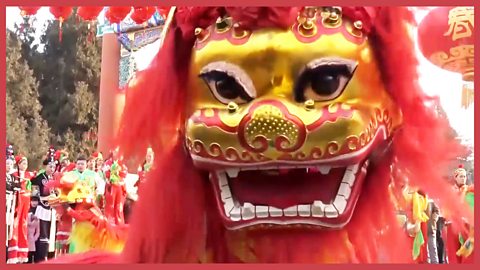
Culture: Exploring Chinese New Year
Angela, a 12-year-old girl from China, visits her grandmother in Huilai for Chinese New Year celebrations. From Bitesize KS2 Mandarin.
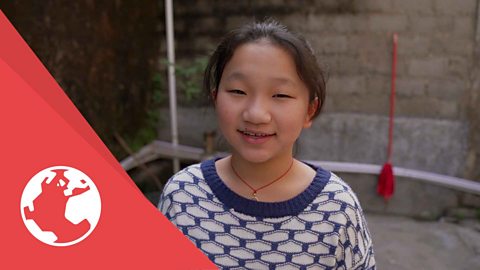
Chinese New Year: What it’s like when you’re far from home
Chinese New Year is celebrated all around the world, sometimes far away from family at home.