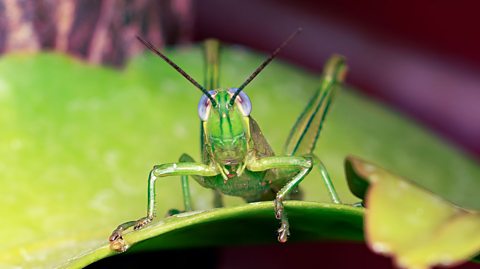
There has been a huge increase of insects this summer, if 2024 was BRAT summer, 2025 appears to be the summer of BUG.
Butterflies have been literally soaring in the UK, especially compared to last year when sightings of these beautiful winged insects were the lowest on record. Certain species like the peacock butterfly have been recorded to be in their highest numbers from the last 20 years.
Intrigued by this, BBC Bitesize found five countries that are having a bug summer of their own!
Hungary

These small reddish-brown bugs are called bread beetles and have been infesting one of the oldest libraries in Europe, found in Hungary.
Here inside the Pannonhalma Archabbey library 400,000 books are at risk at being quietly eaten away by these beetles. Bread beetles are one of the most common pests to find in pantries throughout the world. Although they like bread, spices and grains, they are also interested in books, especially ones that are bound by gelatine or starch-based adhesives. It is also unfortunate for the team working at the library, which is over 1,000 years old, that the larvae thrive in dark, warm and undisturbed places.
A team investigating the bread beetle population boom suspect that the global increase in temperature gives beetles the chance to complete more development cycles within the year. This can result in more beetles being born, appearing at a faster rate than ever before. Meaning it’s a race against time to protect what’s left on these archaic bookshelves.
Australia
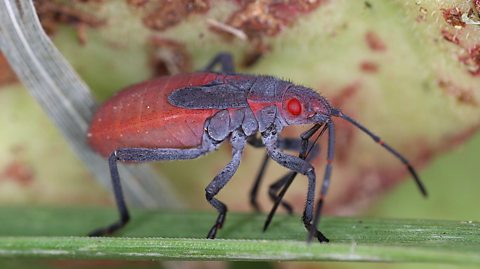
Summertime has been and gone in Australia, but during the tail-end of it down-under there was an explosion of buzzing red bugs. Identified by South Australia Museum’s entomology department to be soapberry bugs, these little creatures are roughly one centimetre long and have a notable reddish-brown colour. They are are usually found on the tree that gives them their somewhat scent-filled name - the soapberry tree.
These insects are more commonly found in tropical environments, but there is a dryland variety of soapberry bugs that are seen in South Australia. In terms of risk to humans, it is fair to say these bugs do not really bite it, but they do try it, as they are not known to bite humans, but they might try to if they mistake your skin for their regular food source.
These bugs were spotted in huge numbers in cities across South Australia, including Adelaide. Some residents reported barely being able to see out of their windscreens because of sheer numbers involved. It is believed that they headed to cities to find some moisture as the weather conditions at the time were very dry.
USA
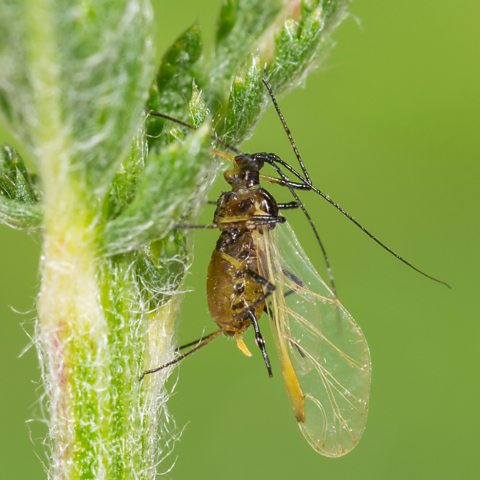
It’s fair to say that some New Yorkers would argue that the (big) apple doesn’t fall from the bug-infested tree, with their home city being swarmed by winged aphids. There has been so many bugs, that residents reported having to wear face masks just to protect them from a non-stop smattering of bugs during their daily commute.
Aphids are small insects with pear-shaped soft bodies that live on plants and trees. Although most are born without wings, some aphid species are born with wings - hence the name winged aphid. These aphids are dark in colour and have longer antennas than their non-winged counterparts. Having wings helps these aphids to fly off to new environments if there is a change in weather, or if there are threats to the colony that they live in.
In fact, any damage to a colony can be the catalyst for winged aphids to be born, then they fly off to start a new colony elsewhere. While it is not unusual for folks in America to spot aphids, the recent spate of sightings has surprised New Yorkers. Mainly because the aphids usually turn up after summer, not during peak season.
Different aphid experts, including one from the University of Wisconsin-Madison suspect that the wildfires in Canada, alongside overall warmer winter temperatures, may have affected the aphids typical biological clock. The result - more aphids appearing earlier in the year, ready to go splat into someone’s face.
Japan
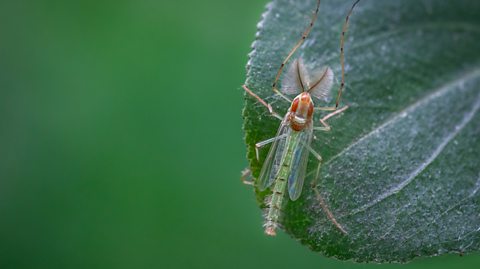
In June, the Osaka Expo site in Japan was plagued by Chironomid midges in huge numbers. This year the site is hosting the world expo, a global event that only takes place once every five years.
It is perhaps fair to say that an ‘insect control plan’ might not have originally been on the organiser’s to-do list for the event. However, even though the midges are not generally harmful to humans (though can cause allergies to some who inhale them) wheels were quickly put into motion to successfully manage the outbreak.
Chironomid midges are mosquito-looking, but do not bite. They are aquatic insects that can be found in fast-running streams, slow-moving rivers, as well as stagnant pools of water. This is reported to be one of the causes for the outbreak, as the event site has a water plaza and an area called the Sea of Connections.
Spain
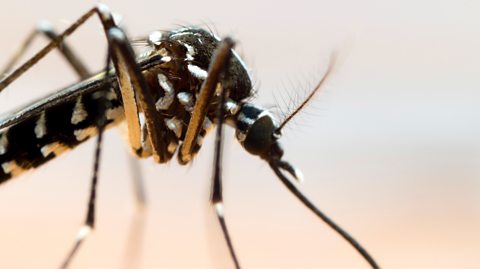
The Spanish Health Ministry confirmed in June 2025 that tiger mosquitos had been found in 156 a city or town with its own local government. These mosquitoes are from Southeast Asia, and are black with white stripes. What makes them particularly annoying is that unlike most mosquitoes that bite most commonly at night, the tiger mosquito often bites during the day!
And given the insects ability to spread disease, officials have consistently been on high alert to keep the public safe.
Tiger mosquitoes are not new to Europe, the first sighting of was in 1979. But, with climate change making summertime hotter, and last longer, it has increased the risk of more dangerous mosquitoes, like the tiger, to arrive in Europe.
Published in July 2025
How to find minibeasts and make a bug pooter
Parents' Toolkit
The A-Z summer 2026 bucket list
Stuck for what to do this summer? We've got you covered with our A-Z bucket list of activities and ideas!

Dear Parents' Toolkit... What makes a summer holiday?
What makes a summer holiday? Caravans, ice cream, a beach? Thirty parents from across the UK reveal their highlights and lowlights from over the years.