Lots of movies feature journalists and newspapers or magazines as their setting. It’s not surprising when you think about it. Movies need stories, and stories are a journalist’s trade.
But films tend to take more than a few liberties with the truth when it comes to portraying what it’s really like to work as a hack.
Here are a few things the movies don't get quite right about being a journalist.
Journalists only work on one story at a time (Spotlight, 2015)
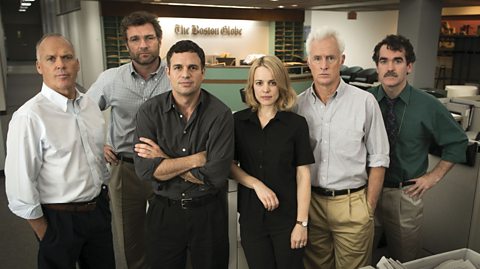
Many films and TV shows about journalists have a reporter, or a whole team, doggedly pursuing a single story to the bitter end. For instance in Spotlight a group of journalists from the Boston Globe work tirelessly to uncover a shocking story of abuse in the Catholic Church.
But journalists pursuing one subject like they do in the film, as if to the exclusion of any others, is pretty rare. Occasionally a big newspaper or website will put a team of journalists on just one very important story. But for the most part journalists will be working on multiple stories at any one time.
As news outlets have to publish lots of stories (even more so on the web than in print), it isn’t usually economical to have reporters dedicated to one project, however important it is.
Journalists will do anything for a story (Ace In The Hole, 1951)
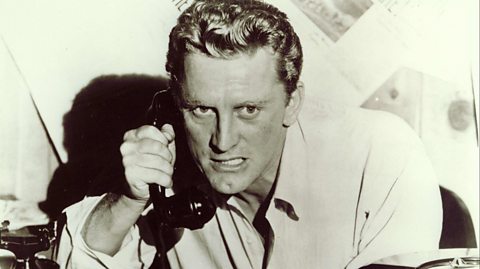
The stereotype of the slimy hack who’ll do anything for a headline is one that goes back decades. For instance in Billy Wilder’s classic 1951 film Ace In The Hole, Kirk Douglas plays a newspaper reporter who ruthlessly exploits the tragedy of a man trapped in an old mineshaft.
More recent films like Bonfire Of The Vanities (1990) with Bruce Willis as a dodgy journo, and 2014’s Nightcrawler starring Jake Gyllenhaal, also have featured journalists with less than ethical standards.
Thankfully, for the most part it isn’t true. While there have been instances of journalists behaving illegally, for instance those convicted during the phone-hacking scandal of 2005, most journalists work honestly to report the news accurately.
And there are rules in place to make sure they do. The National Union Of Journalists has an ethical code and IPSO (the Independent Press Standards Organisation) provides a way for the public to complain about press behaviour. OFCOM does the same for broadcast news organisations. And the majority of big news organisations also have their own rules about how journalists behave while doing their job. Just like anyone else, journalists who break the law can be prosecuted, and might be imprisoned.
There’s always a 'mysterious' source (All The President’s Men, 1976)
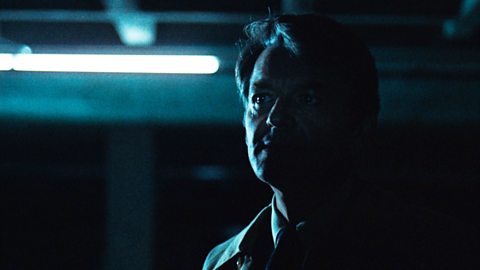
All The President’s Men is one of the most famous films about journalists. It tells the true story of Washington Post writers Carl Bernstein (Dustin Hoffman) and Bob Woodward (Robert Redford) who unearthed a political scandal involving then president Richard Nixon. Their stories led to Nixon resigning in 1974 and the scandal became known as ‘Watergate’.
Central to the plot was a mysterious source (played by Hal Holbrook), who wouldn’t reveal his identity to the reporters, and insisted on meeting them in shady car parks. This cloak and dagger activity became something of a cliche in films and TV programmes about journalists.
In reality, Watergate never relied on just one source, and neither do most other stories. While reporters may get tip-offs from sources who wish to remain anonymous, usually they get their information from a whole range of places including public records, leaked documents and interviews. The single, shadowy source makes for great drama, but it’s very rare.
Writers are the only ones involved in publishing a story (The Pelican Brief, 1993)
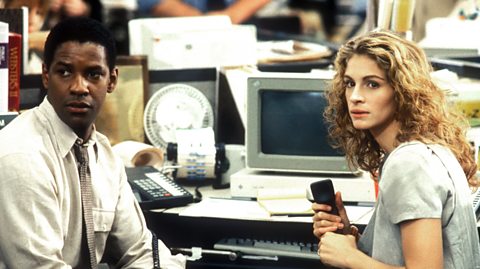
In the thriller The Pelican Brief, Denzel Washington plays a journalist researching the mysterious deaths of two Supreme Court judges.
Watching this, or many other films or TV programmes about journalists, you’d think he was the only one involved in getting a story to print (or, these days, screen).
In reality there are lots of other people involved. Section editors commission and choose stories, sub-editors check the facts, write headlines, and cut the words (or ‘copy’ as a journalist would say) to fit, picture editors either hire photographers or choose library photos and lawyers sometimes check stories for possible legal problems.
It takes a lot of different professionals to get a story published, not just the journalist.
There’s always an all-powerful cigar-chewing editor who’s involved in everything (Man Of Steel, 2013)
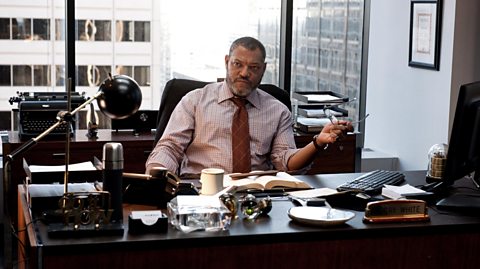
The image of the grizzled newspaper editor who yells: “Waddya got for me!?” at hapless reporters, and seems to have a hand in every aspect of a newspaper’s production, is pretty common in movies.
Comic-book movies have used the stereotype more than most, with J.K. Simmons running things with an iron fist as J. Jonah Jameson, editor of The Daily Bugle in Marvel’s Spider-Man movies and Laurence Fishburne as Daily Planet editor Perry White in the recent D.C. movies.
Big newspapers and websites certainly have top editors, or ‘editors-in-chief’, who do know, for the most part, what big stories are going into the paper that day. But they tend not to be quite as involved in the everyday nitty gritty – or every story – as the movies suggest.
Most stories are commissioned and managed by section editors, and a journalist will more often find themself talking to them, as well as the sub editors, and picture editors, than to the big boss.
Six blockbuster films that got history wrong
From Bohemian Rhapsody to Titanic, movie-makers have been very creative with historical timelines.
Six secrets of movie posters
Find out how movie posters are designed to encourage us to buy a ticket.
What happens to your body during a horror film?
A good scare can affect your heart, breathing and even your eyes