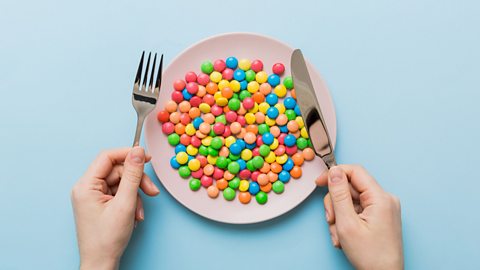
Let's be honest – sugar is one of those temptations that the majority of us find it very difficult to resist. An extra square of chocolate, maybe a spoonful in tea or coffee. What's the problem?
But for people with diabetes, regulating their sugar intake can be a matter of life or death. To mark World Diabetes Day, Friday 14 November, BBC Bitesize spoke to Dr Ranj to find out just exactly what sugar does to our bodies.

Why does sugar taste so good?
Sugar’s deviousness, that sweet taste, makes it so irresistible in our lives, but why does sugar taste so good to us in the first place? Dr Ranj explains.
“Humans and animals need energy to survive. And sugar is a really quick and easy source of energy. When we eat sugar, the taste receptors sense it. It goes up to your brain, and the brain releases chemicals that make us feel good. Also, our pancreas, which is an organ inside our tummy, releases insulin. And insulin is a hormone that helps our bodies take that sugar and push it into the cells so we can use it for energy. This combination of pleasure and fuel is what makes sweet foods so irresistible.”
Can you get addicted to sugar?
People who love an extra square of chocolate might call themselves a chocoholic – but can you actually get addicted to the stuff? Not according to Dr Ranj.
“[Sugar] actually helps to relieve a bit of stress. It reduces our level of stress hormones. So you can emotionally feel better. That’s why that first bite never quite feels like enough.
“It does create a habit when we get into a cycle of doing something that makes us feel good, especially in certain situations, we want to do more of it. Basically, our brains are wired to crave it because, throughout evolution, sweetness signalled energy-rich foods that helped us stay alive. It is biological, it's emotional and it's habitual.”
“For an addiction to be true, it has to cause withdrawal effects when you don't have it, and usually you get more and more used to it or tolerant to it the more you have. And that doesn't happen with sugar. So, sugar is, technically speaking, habit forming without being a true addiction. But people often use those terms interchangeably.”

Why do we crave sugary things the moment we’re stressed or tired?
“When we're tired or stressed, it interferes with our body's hormones,” says Dr Ranj. This can affect our hunger signals, “so we can feel more hungry than we normally are”, and we tend to reach for foods that give us quick energy, such as sweets or chocolate. When stress hormones rise, “we actively seek out high-energy foods,” which makes us crave sweet snacks even more. However, that feeling is usually quite short-lived.Dr Ranj explains that after a quick burst of energy, “you may have a blood sugar crash when the levels come plummeting back down, [leaving you] a bit more irritable, a bit more grumpy, and wanting to eat more sugary food.”
Are “natural” sugars like honey or fruit really any better?
We have two types of sugar: free sugars and sugars. In the UK, most adults and children consume more free sugars than the alternatives. These include:
Sugars added to foods or drinks, such as biscuits, chocolate, flavoured yoghurts, breakfast cereals and fizzy drinks. Sugars naturally present in honey, syrups (maple, agave, golden), nectars, and unsweetened fruit or vegetable juices and smoothies.
However, sugars naturally found in milk, fruit and vegetables do not count as free sugars, so there's no need to cut down on them, although they are included in the total sugar on labels.
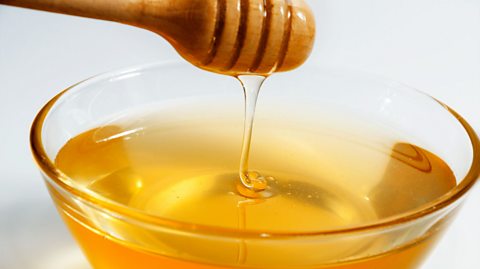
As Dr Ranj explains, "As a general rule, it's always better to try and take your sugar in the most natural and whole form that it can be." Fruit is naturally packaged to release sugar slowly and comes with vitamins, minerals and fibre that support overall health. "Having your sugar that way is better than processed sugar," he adds. Honey is slightly better than refined sugar, but "the body deals with it in pretty much exactly the same way. So whilst it's better than refined sugar, it's not quite as good as that packaged-up, whole fruit."
What are the best ways to cut down on sugar without feeling deprived?
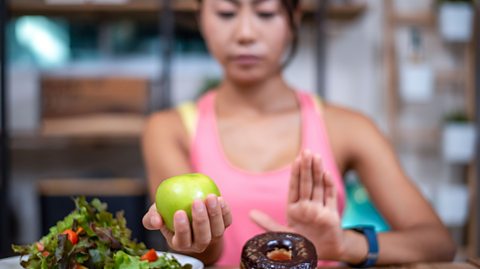
So we do need sugar – but the healthiest way is to make it part of a balanced diet. Reducing your snacking on sugary drinks or chocolate bars can be really difficult at first.
“Over time,” Dr Ranj says, “people find those feelings lessen. They often feel more energetic, their blood sugars become more stable, and food actually starts to taste better.”
“Our taste buds naturally regenerate every couple of weeks. So while one set may get used to a certain intake of sugar, if you gradually reduce your intake and your taste buds are renewing, you can retrain them to want less sugar. Food naturally starts to taste a bit sweeter.
If you want to cut down on sugar, Dr Ranj suggests a few simple things that can make a big difference.“Firstly, eat food that releases energy a lot more slowly. So things containing complex carbohydrates or protein that help stabilise your blood sugar.” “Secondly, make sure your food contains lots of fibre and that you're well hydrated. So drink lots of water.” “And thirdly, do so-called sweet swaps. So for instance, you might use a spice like cinnamon, which is naturally sweeter instead of sugar. Or you might use something like an artificial sweetener, but always stick to the recommended amount.”
With small, consistent changes, reducing sugar becomes easier over time, and the benefits—better energy, steadier blood sugar, and tastier food—make it well worth the effort.
This article was published in November 2025.
Seven guaranteed ways to make someone laugh
Want a sure-fire way to give someone the giggles? 'Professor of Laughter' Dr Oliver Double tells BBC Bitesize how to make someone laugh and the science behind it.

I helped to unearth one of the largest dinosaurs ever
Discover more about the Patagotitan mayorum through an interview with palaeontologist Dr Diego Pol, who helped to discover this huge dinosaur.

Five amazing robots aiming to help the planet
Discover more about the robots aiming to tackle environmental issues