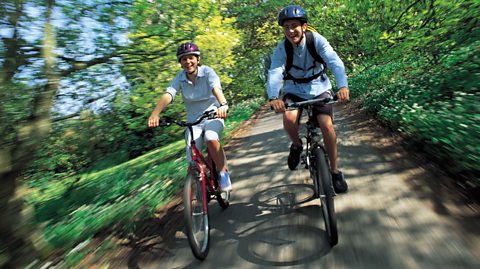
The summer holidays are coming, meaning warmer days - and it seems that we in the UK really enjoy getting outside on our bikes.
A 2024 survey of more than 1,000 young people aged between six and 15 found that almost half (48%) cycled at least once a week.
With 3.5 million posts with #cycling on TikTok alone, there’s a lot of chat, claims and questions online. BBC Bitesize Other Side of the Story checked out some of most searched questions about cycling online. Think you can answer them too? Test yourself before revealing what the experts say.
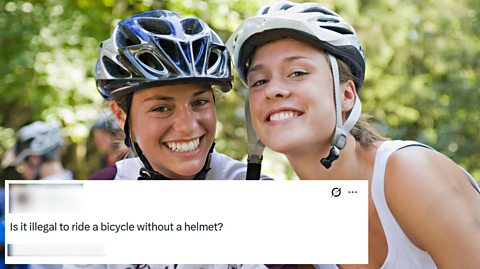
Is it illegal to cycle without a helmet?
- Yes - every cyclist must wear one
- Yes - but only if you are younger than 16
- No - it is not illegal
The correct answer is no. It is not illegal to cycle without a helmet, regardless of how old you are.
A spokesperson for RoSPA (The Royal Society for the Prevention of Accidents) told Other Side of the Story: “There is currently no law in the UK requiring cyclists to wear a cycle helmet, regardless of their age.
“This means it is not illegal for either adults or children to cycle without a helmet. However, Rule 59 of the Highway Code advises that cyclists should wear a cycle helmet that conforms to current regulations, is the correct size and is securely fastened. While this is guidance rather than a legal requirement, RoSPA encourages cyclists to wear a properly fitted helmet.”
The spokesperson added that helmets are designed to reduce the risk of head injuries if someone falls from their bike - or to make any head injuries less serious. RoSPA also says they should be seen as one element of road safety, which includes safe behaviour from the cyclist and responsible driving from motorists.
The brain injury charity Headway believes helmets should be compulsory for all child cyclists and that anyone, however old they are, who gets on a bike should wear one.
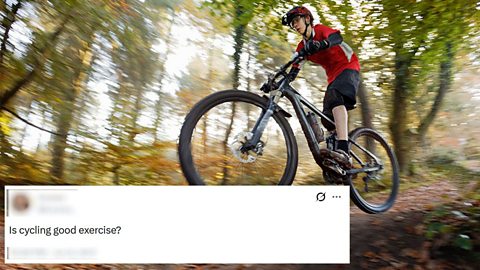
Is cycling good exercise?
- It's fun but it has no real benefits
- It helps a bit but maybe consider something else
- It's brilliant exercise and has a lot of health benefits
The NHS says that cycling has huge benefits for your health. Not just in physical exercise but also for your wellbeing.
Cycling UK, the country's oldest cycling charity, also says that regular cycling can reduce our risk of developing serious illnesses such as heart disease, type 2 diabetes and obsesity.
If you're old enough to join a gym, but the membership fees are putting you off, both the NHS and Cycling UK recommend cycling as a cheaper alternative. It's a one-off purchase - although you will need to make sure your bike is properly maintained - and the scenery seen from a bike can always be different, instead of the same gym walls!
Cycling can help you feel less stressful and also reduce anxiety. It's also a good social activity - something fun to do with your friends on a sunny day!
How long do cycle helmets last?

- Every few years
- Only replace them if you’ve had a crash
- They can last forever
Even if you only cycle a few times a year with barely a bump, it’s always worth checking your cycling helmet as parts of them can deteriorate as they age.
The RoSPA spokesperson explained: “Helmets should always be replaced after a crash if there is any possibility that the protective foam has been damaged, even if no damage is visible externally.
“Manufacturers' recommendations vary, but many suggest replacing helmets after several years of normal use because materials such as the foam liner, shell and straps can deteriorate over time. Cyclists should regularly inspect their helmet for cracks, damage or signs of wear and replace it if they have concerns about its condition.”
This article was published in June 2026

Not sure if the news you’re seeing on social media is true or false? Can you always tell if the things you see online are real or fake?
Learn how to get the other side of the story with our quizzes, videos and explainers about media skills and viral trends including popular food myths.
Why 'fricy' could be the next big food trend this summer
Will a combination of fruity and spicy dishes and drinks go viral?

Squishies: Why are they so popular and how do I spot a fake one?
They're everywhere - but beware of fake ones

Other Side of the Story
Back to our homepage for more quizzes and explainers about fake news, viral trends and media skills.