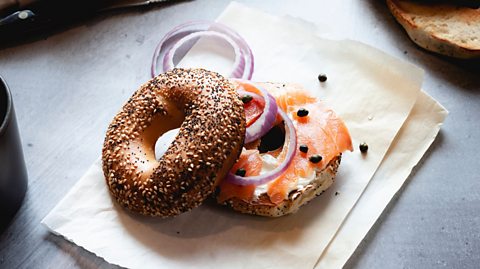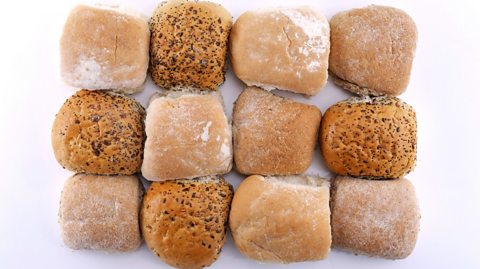
In most places, a small round portion of bread is simply called a “roll.” But in the UK, that humble item has sparked endless debate - and goes by a bewildering variety of names.
Welcome to the wild world of bread lingo - where carbs come with a side of controversy. Depending on where you are, you might ask for a bap in Belfast, a barm cake in Manchester, a cob in Leicester, a bread cake in Leeds, or a batch in Coventry.
And that’s just scratching the crust.
History of bread
This delightful diversity isn’t just regional quirkiness - it’s a reflection of the UK’s rich and tangled history.
Over centuries, the British Isles have been shaped by waves of migration and conquest: Celts, Anglo-Saxons, Norse invaders, and Norman rulers all left their linguistic fingerprints behind.
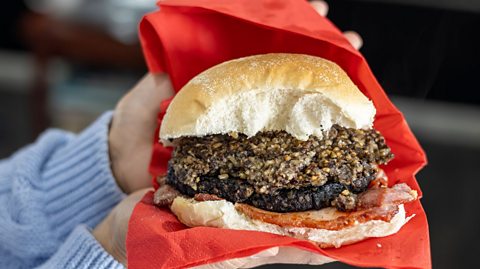
The bap: This has Norse and Gaelic roots, and the term is common in Northern Ireland and Scotland.
The cob: This term comes from an Old English word meaning ‘rounded lump’ which is heard across the Midlands.
The barm: Popular in the North West of England which refers to the frothy yeast from brewing, once used in bread-making.
What role does culture play?
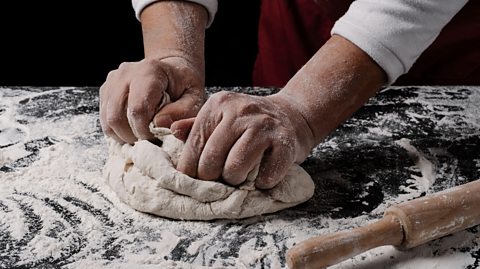
Food historian Neil Buttery told us, “It’s not just the name that changes. People might add fat, use spices, or bake things differently - it’s not always the same food”.
The availability of certain grains, fats, or yeasts in different areas also shaped how bread was made and named.
Regions with access to breweries (such as Manchester) used barm yeast, hence the term barm. Areas with dairy farming might have enriched their doughs with butter or milk. This led to softer rolls, which are often called baps.
Not just semantics - it’s science and sentiment
In many places, using the “right” name for a dish is a big deal. It’s a way for people to show pride in where they’re from and what makes their community unique.
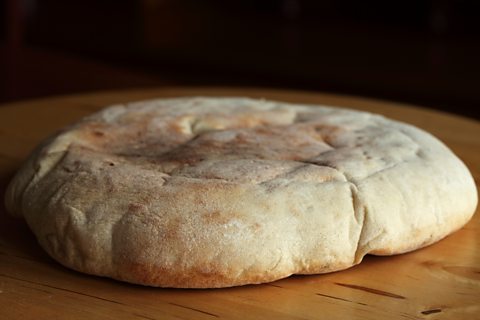
A bap is often softer and larger than a standard roll, making it ideal for breakfast sandwiches. While a stottie from Newcastle is flatter, heavier, and you might have it with your A traditional British dish using split peas.
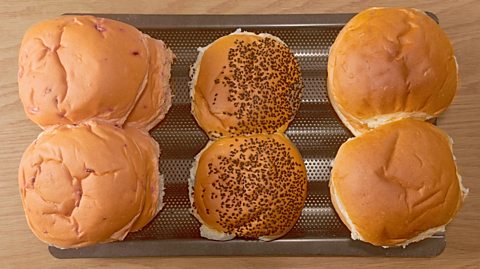
A batch might be baked together in a tray and torn apart, and although some may think muffins are one of the sweet variety, a muffin in Oldham would be a lot more bready.
A teacake might contain currants, or not, depending on which side of the Pennines you’re on. (And yes, that has caused arguments.)
The Belfast Bap: Bread Born of Hardship
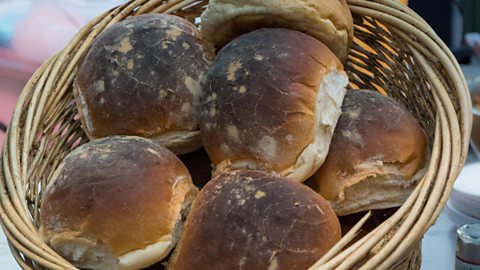
Among the UK’s many regional breads, the Belfast Bap stands out for its size, texture, and backstory. This flour-dusted, crusty-topped roll with a soft, fluffy interior is a Northern Irish staple - often filled with sausages, bacon, or even crisps.
Its origins trace back to the Irish Potato Famine of the 1840s, when baker Barney Hughes created a cheap, filling bread using flour substitutes like ground peas and beans to help feed Belfast’s growing population.
Though it gained a cheeky reputation for its digestive effects, immortalised in a local rhyme, it became a symbol of resilience and remains a proud part of the city’s food culture today.
Discover more about Barney Hughes in the BBC NI Bitesize History Makers series.
Nations divided by a common loaf
These regional terms are more than linguistic curiosities, they are edible echoes of local history, identity, and pride.
Even though 'bread roll' is a name nearly everyone understands, using the popular term in your area can be a great way to show off your local knowledge.
So next time you’re ordering a sandwich in a different part of the UK, tread carefully. You might just start a debate - or better yet, a conversation.
Published in September 2025

Five bread stories you knead to read
We look at the origins behind different breads.