The temperature is creeping up again, and the BBC Bitesize team have been going through all the questions you search online when the weather starts to get a tad too hot.

We have all the answers you need right here, so stay calm, and we will make sure you carry on being cool and collected this summer.
How do I keep my house cool when it’s hot?
We have all been there – realising it is bedtime and the house is not going to cool down enough to sleep. But there are some things you can do throughout the day to try and keep your bedroom below the recommended 23°C.
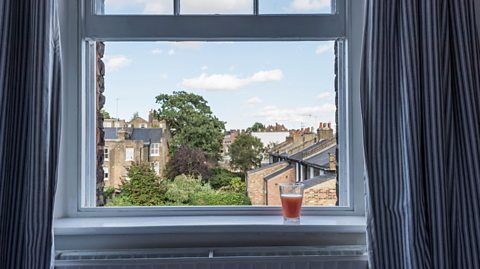
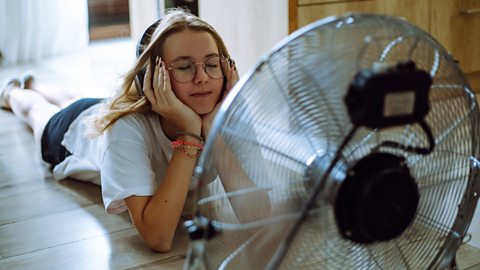
Open your windows when it is cool outside (early morning and late evening). If you have a fan, turn it on to help move the hot air out.
Keep your windows shut and covered during the hottest parts of the day (11:00-15:00).
If you have high windows then it would helpful to open them up, as heat rises and will escape.
If you have windows or doors on the opposite side of the room, then open them up to help the air move.
Turn off lights and electronics to reduce the amount of heat in your home.
And if, after all that, you are still struggling to stay cool when you are in bed - here are some tips on how to doze off on a warm night.
How to look after your houseplants in a heatwave?
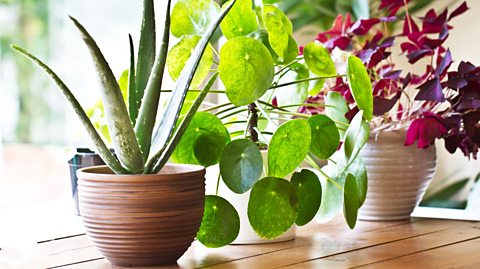
Spare a thought for your thriving or barely surviving houseplants during a heatwave, luckily for you we have! We spoke to the Houseplant Doctor Joe Bagley about the best ways to take care of your plants.
Joe said that “it's the temperature more than actual sunlight that impacts plants the most.” With this in mind, move your plants 1.5m (4ft 11ins) away from a north facing window. Put them on the floor, and if you have a downstairs try to pop them down to the lowest level.
The usual rule of thumb is the thinner the leaf the more watering your plant will need. This applies to plants like ferns, indoor palms, and English lilies. Joe advised that you use the same amount of water, but water them more frequently.
On the opposite end, cacti, succulent and bulb plants are drought tolerant, so water them no more than every fortnight.
Reading the soil
Joe said that picking up your plant is the best way to check if your plant needs watering, if it is top-heavy then it needs water. If it is bottom-heavy then it does not need water.
If you are unable to pick your plant up, you can check by putting your finger in the soil, if the soil is dry then it needs to be watered. If it is moist, then it does not need to be watered.
Best way to water your plants
Joe advised that submerging it in water from the bottom is better, as watering from the top can dry out the soil quicker.
However, this does not apply to plants that have a 25cm (10ins) diameter, they need be watered from the top.
What to eat and drink when it is hot?
Drinking water is cool, cool for the body!
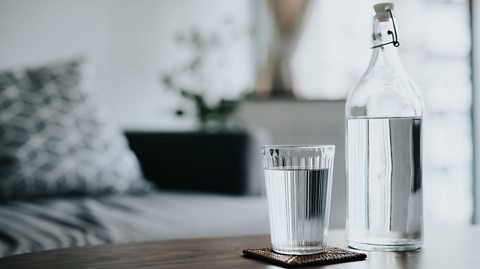
Okay, hear us out - we all forget to drink water, and according to the NHS (National Health Service), we should be drinking six to eight glasses of water a day. Yet, in hot weather it is best to drink even more than this amount according to A qualified and regulated health professionals that assess, diagnose and treat dietary and nutritional problems. Nichola Ludlam-Raine.
A good way to see if you are hydrated is to look at the colour of your urine. If it is darker than pale yellow, then you could be dehydrated. Nichola said that “having fluids is very important during a heat wave”, but warns against young children having slushies. Current Food Standards Agency guidance says under-sevens should avoid slushies and under-11s should have no more than one.
Nichola also said the heat can make some people lose their appetite. If this happens to you she recommended “eating little and often” to make sure you have enough energy for the day .
Nichola mentioned that you should try to have lighter and more high fluid foods during a heatwave, for instance she suggested “swapping out your cottage pie for a chicken salad” as one example to stay fresh, alongside having more fruits too.
How hot is too hot for your pets?
Just like us, our pets need to stay cool. Here is some advice from pet charities and experts on things you should look out for.
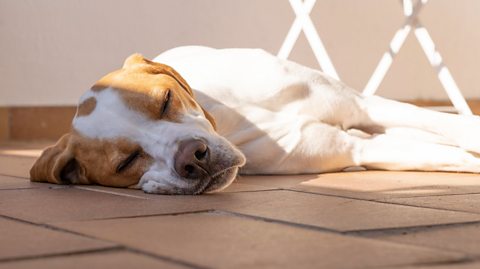
Make sure your pet has access to plenty of water, adequate ventilation and shade.
On really hot days, the ground will be too hot for paws, so it is best to take your pet out for walks at cooler periods of the day. Animals that are flat-faced, like pugs, have a greater risk of health problems in hot weather. Researchers from Nottingham Trent University and the Royal Veterinary College explain that dogs pant to cool down, but with flat-faced dogs this is less effective, as they have a short nose. They can even generate more heat by gasping to breathe than they lose by panting. This means they are more vulnerable to heatstroke. So you must take extra care to prevent them from overheating.
Try to provide them with a cool mats/towels, Lauren Bennett, a dog welfare expert at the RSPCA says it is important to "monitor the mat regularly during use, as some can retain heat once they have warmed up or reached the end of their cooling effect, potentially making your dog hotter rather than cooler."
During a heatwave, the RSPCA also recommends to keep snakes locked up and secure, as they are more active during hot weather and are excellent escape artists.
Check for A serious condition caused by flies laying eggs on animals. for rabbits and guinea pigs. This can happen to well-kept and clean pets, and is deadly, check twice a day and clean the bedding consistently.
What is the difference between sun stroke and heat stroke?
It is easy to mix them up and it is not always clear what means what.
When our bodies overheat we can get A condition that happens when your body overheats., and this can turn into A serious condition when your body can no longer manage the heat.. You might have heard some people calling it sun stroke which is a type of heat stroke that is caused by direct sunlight.
There is a difference between heat exhaustion and heat stroke. Heat exhaustion happens when your body is too hot and cannot regulate its temperature. This can happen to anyone, and can come on fast or slowly. Heat stroke means your body cannot manage the heat and your core temperature is too high.
With heat exhaustion you can cool down in 30 minutes, but heat stroke is a medical emergency and you should call 999 immediately. After having heat stroke, you can still experience symptoms for weeks and/or months later.

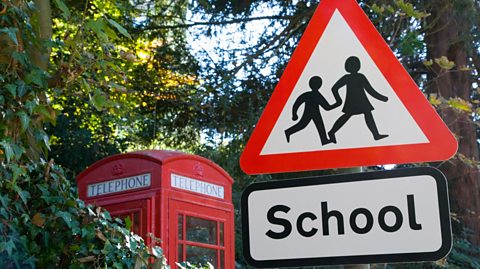
Can schools close due to hot weather?
Many of us can remember what it is like to swelter during double maths on a boiling hot summers day, wishing we were outside. But can schools actually close when it gets too warm?
The answer, sadly for some of us - is no. And here is why.
According to the Department of Education, they do not normally advise schools to close. This is because school attendance is the best way for pupils to learn and reach their full potential. They advise schools to adapt their lessons for hot weather.
Schools are also encouraged to consider relaxing the school uniform to make sure pupils are comfortable.
It is important to remember that schools, like workplaces, have a duty to make sure the working environment is comfortable and safe.
Published in July 2025
When does summer *really* start?
Is summer solstice the start or the middle of summer? We can't rely on the weather, so we asked the experts.