
 |
CATEGORIES | TV | RADIO | COMMUNICATE | WHERE I LIVE | INDEX |  |
SEARCH | |
|
|
|
|
|
|
|
|
|
|
|
|
|
|
|
|
|
|
|
||||||||||||||||||||||||||||
|
 |
|
|
|
|
|
|
||||||||||||||||||||||||||||||||||||||||||||||||||||||||||||||||||||||||||||||||||||||||||||||||||||||||||||||||||||||||||||||||||||||||||||||||||||||||||||||||||||||||
|
|
|
You are in: Scotland | ||||||||||||||||||||||||||||||||||||||||||||||||||||||||||||||||||||||||||||||||||||||||||||||||||||||||||||||||||||||||||||||||||||||||||||||||||||||||||||||||||||||||||
|
|
|
Monday, 16 September, 2002, 12:53 GMT 13:53 UK
Police deny 'sickness' claims
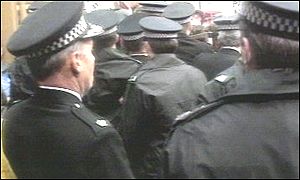
Police have a "stressful and difficult job"
Police officers have denied that absence through sickness is excessive in Scottish forces.
A new report from HM Inspectorate of Constabulary is expected to say that some Scottish forces have the highest rates of sick leave in the UK. The Scottish Police Federation, which represents rank and file officers, said the rate of sickness compared "very favourably" with other workers. However, efforts to slash levels have had little effect despite a warning from the inspectorate last year that the amount of time lost through ill health was too high.
The inspectorate will announce on Thursday that the latest tally is only slightly down on last year's average figure of 11 sick days. Strathclyde has the lowest level with an average of nine days per officer every year. Tayside has the worst with 14 days. Across Scotland it is equivalent to 156,000 days of police time lost across Scotland. Although not the worst in the public sector, the number of days Scotland's policemen and women call in sick is much higher than the average 8.4 days taken by employees of private firms. Stress is widely cited as a major factor for absence. Doug Keil, general secretary of the Scottish Police Federation, said sickness figures for the police compared "very favourably" with other workers. Emergency services He said sickness among police officers was actually lower than for force support staff. "To put in context, it is lower than it is in education, lower than the health service, lower than other emergency services", he said. "Considering the nature of the job, that is something to be proud of." Mr Keil said policing was "stressful, difficult and dangerous". He said: "Police officers are out on the streets 24 hours a day, 365 days a year and it is very hard to find any other group of workers who have those kind of conditions to put up with." He said police authorities paid little attention to the occupation health facilities given to officers. "The best occupational health facilities we have got are those paid for out of the pockets of police officers themselves," he said. |
|
See also:

17 Oct 01 | Wales
07 Aug 01 | Wales
19 Oct 02 | Wales
06 Dec 99 | UK
Internet links:
The BBC is not responsible for the content of external internet sites Top Scotland stories now:
Links to more Scotland stories are at the foot of the page.
|
||||||||||||||||||||||||||||||||||||||||||||||||||||||||||||||||||||||||||||||||||||||||||||||||||||||||||||||||||||||||||||||||||||||||||||||||||||||||||||||||||||||||
|
|
|
 E-mail this story to a friend E-mail this story to a friend |
|
|
|
Links to more Scotland stories |
|
|
|
||
 |
||||
 |
|
|
||
|
----------------------------------------------------------------------------------
To BBC Sport>> | To BBC Weather>> | To BBC World Service>> ---------------------------------------------------------------------------------- © MMIII | News Sources | Privacy ~RS~a~RS~Domestic~RS~q~RS~~RS~z~RS~48~RS~)
|






