|
CATEGORIES | TV | RADIO | COMMUNICATE | WHERE I LIVE | INDEX |  |
SEARCH | |
|
|
|
|
|
|
|
|
|
|
|
|
|
|
|
|
|
|
|
||||||||||||||||||||||||||||
|
 |
 |
|
|
|
|
|
|||||||||||||||||||||||||||||||||||||||||||||||||||||||||||||||||||||||||||||||||||||||||||||||||||||||||||||||||||||||||||||||||||||||||||||||||||
|
|
|
You are in: N Ireland | |||||||||||||||||||||||||||||||||||||||||||||||||||||||||||||||||||||||||||||||||||||||||||||||||||||||||||||||||||||||||||||||||||||||||||||||||||||
|
|
|
Saturday, 15 February, 2003, 10:02 GMT
Health service red tape expanding

During the recent period of devolution, many Stormont assembly members called for the level of administration in the health service to be cut. In particular, they called for the dismantling of the four health boards - saying this was excessive for a population of just over 1.6 million people. However, with little publicity, 15 new health and social care bodies have been set up in the last year.
They are known as local health and social care groups and they cover every single man, woman and child in Northern Ireland. The new groups are being boycotted by GPs, but include just about every other person working in primary care - pharmacists, social workers, district nurses and many more.
The idea is that they all work together to give patients "seamless" care and that they can provide local solutions to local problems. Trust level In June last year, plans for a shake-up in how Northern Ireland's hospitals and health service should be run were revealed by the then health minister. Bairbre de Brun said the proposals would bring about a more effective service - improving the treatment of life-threatening illnesses like cancer and heart disease.
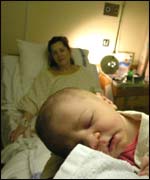
A single regional authority would replace the four health boards and have responsibility for strategy and buying services. However, the minister admitted she had not secured the funding necessary for her proposals. There are currently 9,600 people working in administration, clerical or managerial posts in the health service. The majority are employed at trust level. On a day-to-day basis, they are running hospitals, ambulances and social services. 'Political processes' Then there are the four health boards - together employing 750 people. Each board is providing care and treatment for the people it looks after. The Department of Health itself has a further 950 employees.
They are examining what's happening, keeping the legislative and political processes ticking over and planning for the future. Politicians may wish it were not so, but some see a number of disadvantages to re-structuring the health service. The first is that any reorganisation will require managers to take their eye off the ball of the service's current many pressing problems. Another danger is that competent people will take the opportunity to get an expensive golden handshake and run for the hills, while less effective managers may well seek to re-invent themselves. Whatever happens, it is highly unlikely there will be any significant cash savings and the reorganisation could actually end up costing more money.
|
|
See also:

16 Oct 02 | N Ireland
15 Oct 02 | N Ireland
12 Jun 02 | N Ireland
07 Mar 02 | N Ireland
24 Sep 01 | N Ireland
03 Jan 02 | Health
Internet links:
The BBC is not responsible for the content of external internet sites Top N Ireland stories now:
Links to more N Ireland stories are at the foot of the page.
|
|||||||||||||||||||||||||||||||||||||||||||||||||||||||||||||||||||||||||||||||||||||||||||||||||||||||||||||||||||||||||||||||||||||||||||||||||||
|
|
|
 E-mail this story to a friend E-mail this story to a friend |
|
|
|
Links to more N Ireland stories |
|
|
|
||
 |
||||
 |
|
|
||
|
----------------------------------------------------------------------------------
To BBC Sport>> | To BBC Weather>> | To BBC World Service>> ---------------------------------------------------------------------------------- © MMIII | News Sources | Privacy ~RS~a~RS~Domestic~RS~q~RS~~RS~z~RS~34~RS~)
|





 There are currently 9,600 people working in administration, clerical or managerial posts in the health service