|
CATEGORIES | TV | RADIO | COMMUNICATE | WHERE I LIVE | INDEX |  |
SEARCH | |
|
|
|
|
|
|
|
|
|
|
|
|
|
|
|
|
|
|
|
||||||||||||||||||||||||||||
|
 |
 |
|
|
|
|
|
|||||||||||||||||||||||||||||||||||||||||||||||||||||||||||||||||||||||||||||||||||||||||||||||||||||||||||||||||||||||||||||||||||||||||||||||||||
|
|
|
You are in: Entertainment: Reviews | |||||||||||||||||||||||||||||||||||||||||||||||||||||||||||||||||||||||||||||||||||||||||||||||||||||||||||||||||||||||||||||||||||||||||||||||||||||
|
|
|
Monday, 24 February, 2003, 12:41 GMT
Art to fire the imagination

The Raft of the Medusa is the exhibition's centre piece
By BBC News Online's Katie Smith
The work of some of the greatest European painters of the 19th century are united in the Tate Britain exhibition Constable to Delacroix. This exhibition explores the unique artistic exchange between France and Britain during the Romantic period. It is the first time such an exhibition has ever been attempted. The British and the French are not exactly renowned for their easy rapport. Which is why Tate Britain's latest exhibition - Constable to Delacroix - comes as something of a pleasant change from the norm.
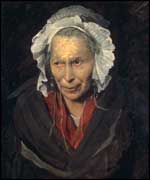
The exhibition features a stunning array of more than 100 paintings illustrating the major cultural interchange that flowed across the Channel during the 19th Century. The British shared their studios with their French counterparts and collaborated with Parisian print publishers. A visit to London became a rite of passage for progressive French painters. As Theodore Gericault said to Horace Vernet in 1821: "The only thing your talent lacks is to be steeped in the English school... colour and effect are understood and felt only here." The works of John Constable, Theodore Gericault and Richard Parkes Bonington currently on display at Tate Britain all serve to illustrate this unique relationship. The dialogue between the two nations can be most particularly felt in landscape, literary subjects and portraiture - all illustrated to perfection here. Brutal scene But it is Theodore Gericault's seminal work, Raft of the Medusa - one of the most striking and controversial paintings in art history - that serves as the exhibition's lynch-pin. The painting illustrates a ghastly scene from French history - that of the shipwreck of the French frigate Medusa off the west coast of Africa in 1816. Some 150 men survived the shipwreck aboard a raft, but just 15 were finally rescued after weeks of mutiny, death, cannibalism and horror. Gericault's brutal scene is perhaps the key picture of romanticism - managing to combine on one canvas two extremes of human emotion - from the father brooding over his dead son to the hysterically waving group at the other end of the raft. The painting on display at the Tate Modern is a copy - but none the less striking for it. The gallery has taken the work and placed it in its own space in an attempt to recreate for visitors the experience of a visit to a small, private salon. The room is darkened, the walls black so that the only focus for the eye is the painting. The idea is simple and the effect breath-taking. The exhibition opens on Wednesday at Tate Britain. |
|
See also:

07 Jan 03 | Arts
20 Dec 02 | Arts
08 Oct 02 | Reviews
08 May 02 | Arts
29 Jun 01 | Reviews
Top Reviews stories now:
Links to more Reviews stories are at the foot of the page.
|
|||||||||||||||||||||||||||||||||||||||||||||||||||||||||||||||||||||||||||||||||||||||||||||||||||||||||||||||||||||||||||||||||||||||||||||||||||
|
|
|
 E-mail this story to a friend E-mail this story to a friend |
|
|
|
Links to more Reviews stories |
|
|
|
||
 |
||||
 |
|
|
||
|
----------------------------------------------------------------------------------
To BBC Sport>> | To BBC Weather>> | To BBC World Service>> ---------------------------------------------------------------------------------- © MMIII | News Sources | Privacy ~RS~a~RS~Domestic~RS~q~RS~~RS~z~RS~26~RS~)
|