|
CATEGORIES | TV | RADIO | COMMUNICATE | WHERE I LIVE | INDEX |  |
SEARCH | |
|
|
|
|
|
|
|
|
|
|
|
|
|
|
|
|
|
|
|
||||||||||||||||||||||||||||
|
 |
|
|
|
|
|
|
|||||||||||||||||||||||||||||||||||||||||||||||||||||||||||||||||||||||||||||||||||||||||||||||||||||||||||||||||||||||||||||||||||||||||||||||||||||||||||||||||||||||||||||||||
|
|
|
You are in: Entertainment: Arts | |||||||||||||||||||||||||||||||||||||||||||||||||||||||||||||||||||||||||||||||||||||||||||||||||||||||||||||||||||||||||||||||||||||||||||||||||||||||||||||||||||||||||||||||||||
|
|
|
Sunday, 10 November, 2002, 01:37 GMT
How war inspires the world's poets
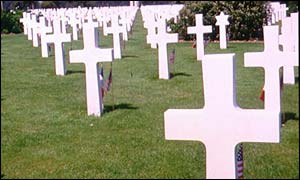
Poets often emerge from conscript armies

The best known modern poetry in Britain must surely be that of the war poets, the angry, sad and bitter soldier-poets who fought in the First World War. The poems have become a grid through which that war, and other wars too, are seen. But we remember perhaps only a dozen out of more than 2,000 or so poets who wrote about the war, marching off with one of the hundreds of thousands of copies of the Oxford Book of English verse in their packs.
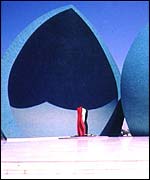
"You had not only regular soldiers, but also conscripts, civilians, many of whom were poets. "Where you have a war fought by regular soldiers, not many will be closet poets. It was the nation's greatest art form, a strong literary tradition which was continued even in those awful circumstances." But early 20th Century Britain is hardly alone in combining a vast conscript army and a vital poetic tradition. A glance at other cultures in similar situations casts interesting sidelights on war poetry. Critical poets Take the Iran-Iraq war. Two cultures, intensely proud of a poetic tradition, threw vast armies of their young men against each other. Just as so much First World War poetry is now ignored as hopelessly sentimental or jingoistic, much poetry was used as propaganda by both sides.
The Iraqi government published books of poetry written by front line soldiers. Meanwhile, dissenting voices on both sides had to be circumspect in attacking the war. Tehran-based critic and translator Iraj Kaboli singles out the Iranian poet Simin Behbahani. "The war was presented as a religious war, not one of national survival," he said. "This alienated many intellectuals and poets, who avoided all propaganda poetry.
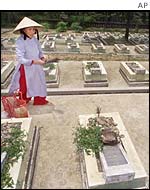
The Necklace But what poem can claim to change the world on the spot? Behbahani describes a woman who has lost her soldier son and thinks she is wearing a pair of his boots around her neck - like a necklace. Behbahani became a war poet by living in a militarised society and daring to comment critically - not all her poems have seen the light of day. In Vietnam, another society proud of its poetry but traumatised by constant war, the favourite war poem is different again.
His poem about her, The Lavender Colour of Blueberry Flowers was popular with soldiers, civilians and schoolchildren. Huang Phan of the BBC's Vietnamese Service describes its impact. "It was first published in the army's magazine and just spread by word of mouth. "It was set as a popular song and I guess every generation of young Vietnamese learn about it growing up. "Its very moving, its about the irony of war - there he is in the frontline and he survives, while his wife behind the lines, she's killed."
The Lavender Colour of Blueberry Flowers A love poem by a war poet became the nation's favourite verse. Iraqis like to say they are the best poets in the Arab world, where the continuing oral tradition and historical esteem given to poetry puts verse on TV and on the front page of papers. Many Arab poets write about the violence in the Middle East - there's a famous poem "Lament for the June sun" which described the Arab defeat in the Six Day War of 1967 where the poet Al-Bayyati berates the leaders of the Arab world.
According to Professor Sabry Hafez of London's School for Oriental and African Studies, the guile of the Arab poet goes a long way.
Lament for the June sun The poets we now admire from the first world war were in fact not published or widely circulated for many years after 1918. As the UN sets the clock ticking down on possible military action in Iraq, Professor Hafez sees the situation repeating itself. "There will be poets writing, about whom we know nothing just as there are many Iraqi poets who are writing worthwhile oppositional work even now," he said. We have to wait and see if in the coming months they will have another war to write about.
The Necklace by Simin Behbahani
The Lavender Colour of Blueberry Flowers by Huu Loan who joined the National Salvation Army one did not even know how to talk she was young, her hair soft and shining bright. I was the soldier of the National Salvation Army My Love for her was tender as my love for my sister. My boots were freshly covered with battle soil. Standing by her unusually-looking soldiering groom, I came home on leave from my unit And returned immediately after the wedding day. From the fighting zone far away, How many of them would eventually return. Despite the ravaging fire of war Instead, death struck my young wife Who stayed behind in the rear.
Extract from Lament for the June Sun by Al-Bayyati We were ground in the coffee houses of the East by We did not kill a camel or a grouse We did not try the game of death We killed each other and now we are crumbs. In the coffee houses of the East we swat at flies We are the generation of meaningless death the recipients of alms.... The sun of June left our genitals naked Why did they leave us for the dogs, corpses without prayers Carrying the crucified nation in one hand and dust in the other? The giant peacocks alone were defeated Quicker than the flicker of a flame.
|
|
See also:

09 Nov 02 | UK
08 Nov 02 | UK
06 Nov 02 | UK
06 Nov 02 | UK
08 Nov 01 | UK
11 Nov 01 | UK
Internet links:
The BBC is not responsible for the content of external internet sites Top Arts stories now:
Links to more Arts stories are at the foot of the page.
|
|||||||||||||||||||||||||||||||||||||||||||||||||||||||||||||||||||||||||||||||||||||||||||||||||||||||||||||||||||||||||||||||||||||||||||||||||||||||||||||||||||||||||||||||||
|
|
|
 E-mail this story to a friend E-mail this story to a friend |
|
|
|
Links to more Arts stories |
|
|
|
||
 |
||||
 |
|
|
||
|
----------------------------------------------------------------------------------
To BBC Sport>> | To BBC Weather>> | To BBC World Service>> ---------------------------------------------------------------------------------- © MMIII | News Sources | Privacy ~RS~a~RS~Domestic~RS~q~RS~~RS~z~RS~05~RS~)
|