
 |
CATEGORIES | TV | RADIO | COMMUNICATE | WHERE I LIVE | INDEX |  |
SEARCH | |
|
|
|
|
|
|
|
|
|
|
|
|
|
|
|
|
|
|
|
||||||||||||||||||||||||||||
|
 |
|
|
|
|
|
|
||||||||||||||||||||||||||||||||||||||||||||||||||||||||||||||||||||||||||||||||||||||||||||||||||||||||||||||||||||||||||||||||||||||||||||||||||||||||||||||||||||||
|
|
|
You are in: England | ||||||||||||||||||||||||||||||||||||||||||||||||||||||||||||||||||||||||||||||||||||||||||||||||||||||||||||||||||||||||||||||||||||||||||||||||||||||||||||||||||||||||
|
|
|
Wednesday, 4 December, 2002, 20:00 GMT
WWII bomb cost city £80,000
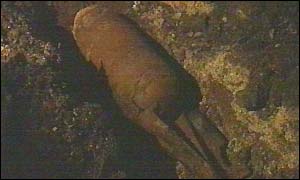
The bomb was found in the Hendon area of Sunderland
An unexploded World War II bomb cost a Wearside council £80,000.
Sunderland City Council says the cost of evacuating more than 3,000 people was more than expected. Emergency procedures have now been changed following recommendations in a report into the October incident. The 500kg bomb was eventually detonated on a beach close to where it was found in the Hendon area of the city. Fast response Sunderland council's cabinet heard on Wednesday that its major incident plan worked well during the emergency, but that "important lessons" had been learnt. Army teams spent more than two days trying to stabilise the bomb as police imposed a 400-meter cordon and evacuated hundreds of homes. The explosion on 17 October, was heard across the city as the Army, who had made the bomb safe to move, carried out a controlled detonation. On Wednesday Sunderland City Council's head of engineering Andy Morris, said any future emergency needed a quicker response to set up rest areas. He said: "The main cost was the staff to run the rest centres for all the people we had to evacuate. "The biggest lesson we have learnt is to be able to respond quicker in the event of rest centres needing to be set up." German bomber Mr Morris said the authority was also planning to create a central store for items like bedding, which were in short supply during the October emergency. The bomb was discovered on land near the Deerness Health Centre and was believed to be from a German bomber which crashed during an air raid over Wearside. It was disturbed by a mechanical digger and at one point started ticking before bomb disposal teams stabilised it. Evacuated families were housed at two schools and a sports complex in the city while other elderly residents were looked after at a day care centre. Despite the potential danger more than 1,000 people refused to leave their homes.
|
|
  See also:
16 Oct 02 | England
15 Oct 02 | England
20 Sep 02 | England
19 Apr 00 | UK
Internet links:
The BBC is not responsible for the content of external internet sites Top England stories now:
Links to more England stories are at the foot of the page.
|
||||||||||||||||||||||||||||||||||||||||||||||||||||||||||||||||||||||||||||||||||||||||||||||||||||||||||||||||||||||||||||||||||||||||||||||||||||||||||||||||||||||
|
|
|
 E-mail this story to a friend E-mail this story to a friend |
|
|
|
Links to more England stories |
|
|
|
||
 |
||||
 |
|
|
||
|
----------------------------------------------------------------------------------
To BBC Sport>> | To BBC Weather>> | To BBC World Service>> ---------------------------------------------------------------------------------- © MMIII | News Sources | Privacy ~RS~a~RS~Domestic~RS~q~RS~~RS~z~RS~11~RS~)
|






