|
CATEGORIES | TV | RADIO | COMMUNICATE | WHERE I LIVE | INDEX |  |
SEARCH | |
|
|
|
|
|
|
|
|
|
|
|
|
|
|
|
|
|
|
|
||||||||||||||||||||||||||||
|
 |
|
|
|
|
|
|
|||||||||||||||||||||||||||||||||||||||||||||||||||||||||||||||||||||||||||||||||||||||||||||||||||||||||||||||||||||||||||||||||||||||
|
|
|
You are in: England | |||||||||||||||||||||||||||||||||||||||||||||||||||||||||||||||||||||||||||||||||||||||||||||||||||||||||||||||||||||||||||||||||||||||||
|
|
|
Tuesday, 18 June, 2002, 17:17 GMT 18:17 UK
Housing a mammoth problem
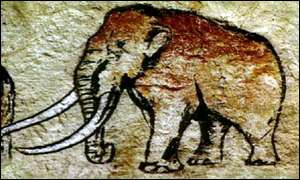
The West Runton elephant was an early mammoth
Councillors in north Norfolk are wrestling with an unusual housing problem - what to do with a 600,000-year-old mammoth.
The remains of the West Runton elephant were found in 1990 - it is the biggest, oldest and most complete elephant skeleton ever found in the UK. The elephant - a very early type of mammoth - would have stood four metres tall and weighed 10 tonnes, making him far bigger than his modern descendants. So far, only his lower jawbone is on display - but plans have now been mooted for a new home at Cromer, near where he was found.
The fragile sub-fossil bones of the elephant were only spotted when they were laid bare by erosion of the West Runton cliffs. They were lifted from the cliffs in 1995 due to fears they would be damaged by the sea. The skeleton includes a well-perserved tusk and skull, plus femurs that are 1.5 metres long - similar in size to the large sauropod dinosaurs. Following years of painstaking cleaning, repairing and cataloguing, the bones are now stored in carefully controlled conditions. Only the lower jawbone is on display to the public at Norwich's Castle Museum. Early humans But on Tuesday, the area museums committee of North Norfolk District Council began discussions of proposals to house them in a new museum. Nigel Larkin, the palaeontological conservator for the county's museums service, said the new building should be home to a major collection. The region - which has given its name to the Cromerian Interglacial Period - has a wealth of geologically important sites, and may have been home to some of the very earliest humans in north-western Europe. "The new building will be near Cromer or West Runton - we want to be near the coast where people can see the original sites." He said it was hoped a full-size replica skeleton of the mammoth will be constructed to form the centrepiece of the collection, while the original bones will be on display at ground level for closer inspection. "It will be a fantastic sight." The proposals are also due to be discussed by Norfolk County Council in July.
|
|
  See also:
27 Nov 01 | England
02 Nov 01 | Science/Nature
26 Feb 01 | Media reports
07 Dec 00 | Asia-Pacific
21 Oct 99 | Science/Nature
Internet links:
The BBC is not responsible for the content of external internet sites Top England stories now:
Links to more England stories are at the foot of the page.
|
|||||||||||||||||||||||||||||||||||||||||||||||||||||||||||||||||||||||||||||||||||||||||||||||||||||||||||||||||||||||||||||||||||||||
|
|
|
 E-mail this story to a friend E-mail this story to a friend |
|
|
|
Links to more England stories |
|
|
|
||
 |
||||
 |
|
|
||
|
----------------------------------------------------------------------------------
To BBC Sport>> | To BBC Weather>> | To BBC World Service>> ---------------------------------------------------------------------------------- © MMIII | News Sources | Privacy ~RS~a~RS~Domestic~RS~q~RS~~RS~z~RS~30~RS~)
|