
 |
CATEGORIES | TV | RADIO | COMMUNICATE | WHERE I LIVE | INDEX |  |
SEARCH | |
|
|
|
|
|
|
|
|
|
|
|
|
|
|
|
|
|
|
|
||||||||||||||||||||||||||||
|
 |
|
|
|
|
|
|
||||||||||||||||||||||||||||||||||||||||||||||||||||||||||||||||||||||||||||||||||||||||||||||||||||||||||||||||||||||||||||||||||||||||||||||||||||||||
|
|
|
You are in: Education | ||||||||||||||||||||||||||||||||||||||||||||||||||||||||||||||||||||||||||||||||||||||||||||||||||||||||||||||||||||||||||||||||||||||||||||||||||||||||||
|
|
|
Sunday, 9 June, 2002, 13:00 GMT 14:00 UK
Asylum schools idea to go ahead
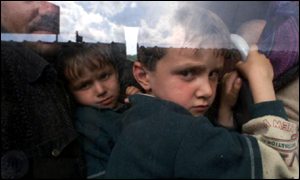
Asylum seekers' children currently go to schools
Home Secretary David Blunkett is sticking by his plan for asylum seekers' children to be educated in segregated centres.
Newspaper reports had suggested the idea was being reconsidered as some MPs planned to oppose plans to teach the children in new accommodation centres rather than in normal schools. But the Home Office says Mr Blunkett will take on those criticisms as he tries to push the proposal through Parliament next week. The plan was one of the most controversial parts of the government's Asylum and Immigration Bill, which is to be debated in the Commons on Tuesday. 'No backing down'
Around 30 Labour MPs are said to be backing an amendment which would take the proposal out of the bill. On Sunday, a Home Office spokeswoman said: "Mr Blunkett will consider their concerns but will not be backing down on the provision." She said the home secretary had already made clear he did not want to place children in accommodation centres indefinitely. Home Office officials argue there is no reason children will be disadvantaged by being taught in the centres. Indeed, they say the centres will give asylum seekers' children more support in a more controlled environment. 'Ready to integrate'
Education watchdog Ofsted will inspect the centres and ensure they provide the same standards offered at schools, say officials. A spokeswoman said: "Children who enter schools once they leave accommodation centres will be well-prepared to integrate and take up the opportunities available to them. "Those who will not be remained here will nevertheless have received a good basis son which to build elsewhere." She said the length of a child's stay in the centre depended on how long it took to decide their asylum claim. 'Apartheid' "The current target is two months to decide the case, and four months to hear the appeal," she added. There has been a chorus of protest from within the education system at the government plans. Peter Smith, general secretary of the Association of Teachers and Lecturers called it a form of apartheid and has urged the home secretary to withdraw the idea "at once". He said the best way to help children often traumatised by their experience of fleeing persecution or torture was to involve them in mainstream schooling.
|
|
See also:

25 Apr 02 | Education
25 Apr 02 | Education
25 Apr 02 | UK Politics
13 Jan 02 | UK
Internet links:
The BBC is not responsible for the content of external internet sites Top Education stories now:
Links to more Education stories are at the foot of the page.
|
||||||||||||||||||||||||||||||||||||||||||||||||||||||||||||||||||||||||||||||||||||||||||||||||||||||||||||||||||||||||||||||||||||||||||||||||||||||||
|
|
|
 E-mail this story to a friend E-mail this story to a friend |
|
|
|
Links to more Education stories |
|
|
|
||
 |
||||
 |
|
|
||
|
----------------------------------------------------------------------------------
To BBC Sport>> | To BBC Weather>> | To BBC World Service>> ---------------------------------------------------------------------------------- © MMIII | News Sources | Privacy ~RS~a~RS~Domestic~RS~q~RS~~RS~z~RS~47~RS~)
|






